
Compliance & Inspections
Health inspections, fire codes, regulatory requirements, and compliance documentation.
Licensed and bonded restaurant maintenance vendors: what 'licensed' actually means and how to verify it
Every restaurant maintenance vendor claims to be licensed and bonded. Half can't tell you what license. What it actually means in California, how to verify it in under five minutes, and which trades require which classification.
Multi-location restaurant compliance documentation: the retrieval problem and how to solve it
For multi-unit operators, compliance documentation is rarely a documents problem. It is a retrieval problem: the records exist, but finding them in fifteen minutes when an inspector asks is the operational failure. Here is how to fix it.
Why your hood-cleaning records can fail an audit even when the cleaning was perfect
The hood cleaning happened. The certificate exists. The inspector still wrote you up. Why the documentation chain, not the cleaning, is where most operators fail, and what an audit-defensible chain looks like under NFPA 96 and California fire-marshal practice.
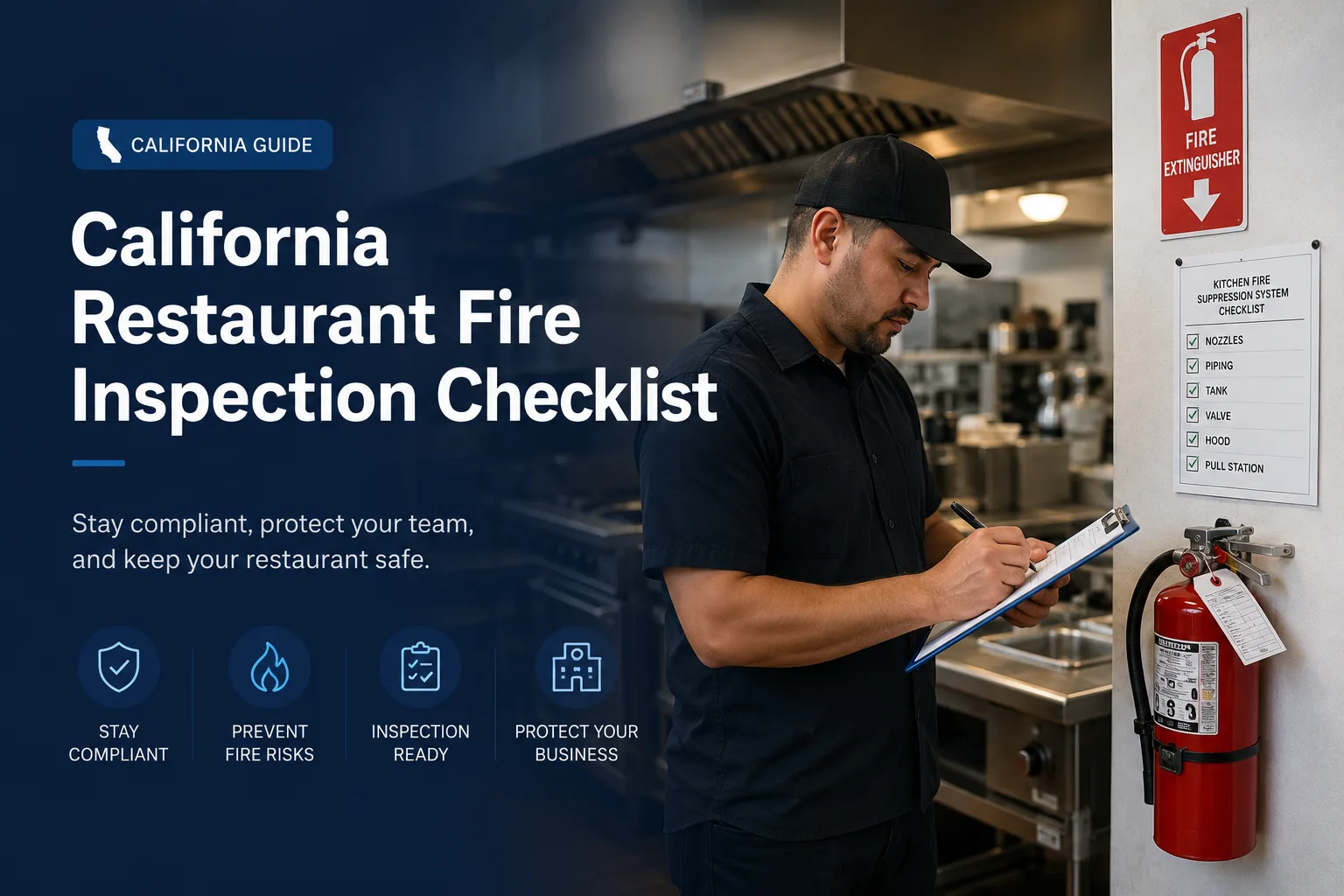
The California Restaurant Fire Inspection Checklist: Hood, Suppression, and What Inspectors Verify
What a California restaurant fire inspection covers: NFPA 96 hood cleaning under Title 19, NFPA 17A suppression service, UL-300 systems, and the documentation an inspector asks for.
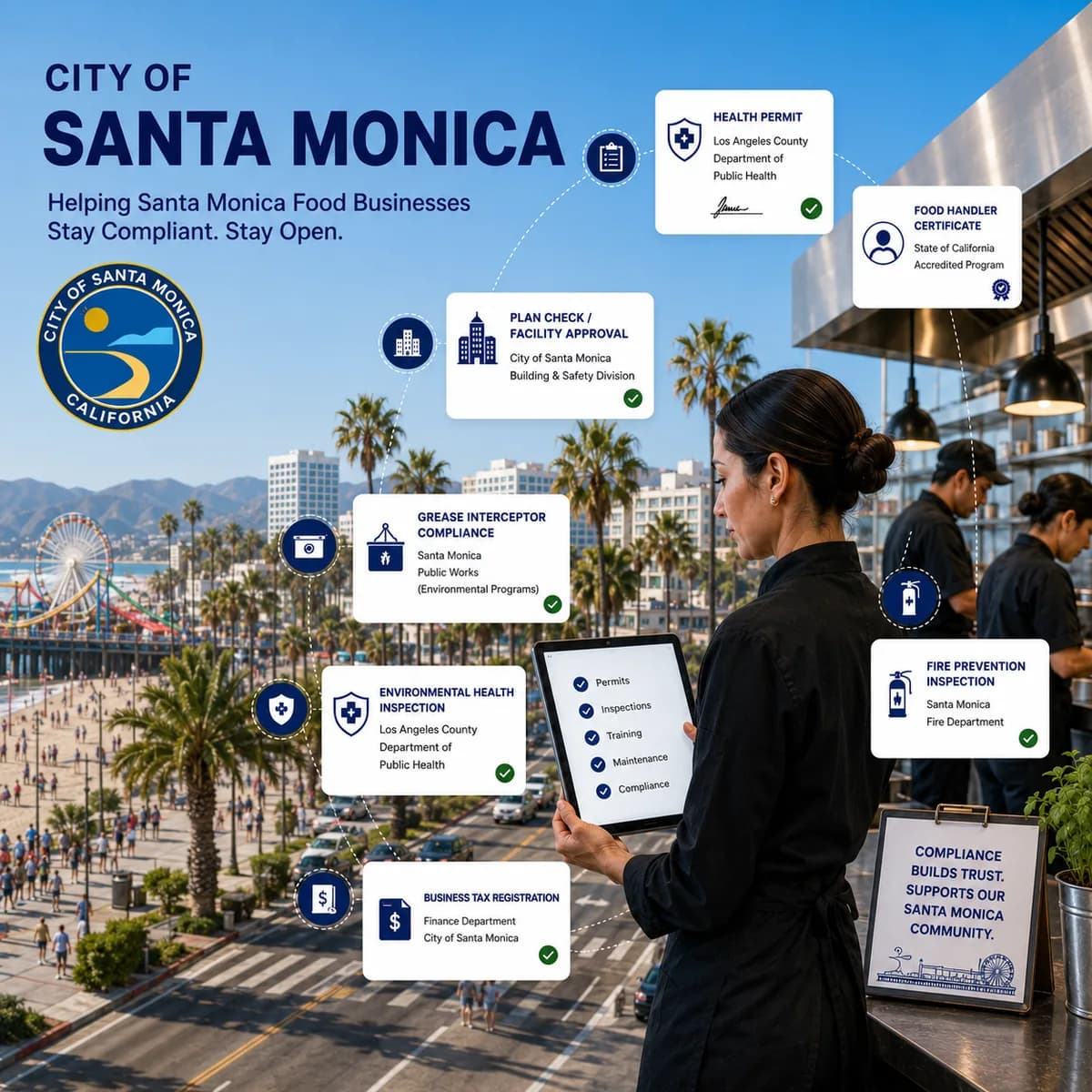
What Running a Restaurant in Santa Monica Actually Teaches You About Compliance
Santa Monica restaurant compliance, explained: the Santa Monica Fire Department as your fire authority, LA County health grades, and the Section 8.40.020 vendor-reporting rule.
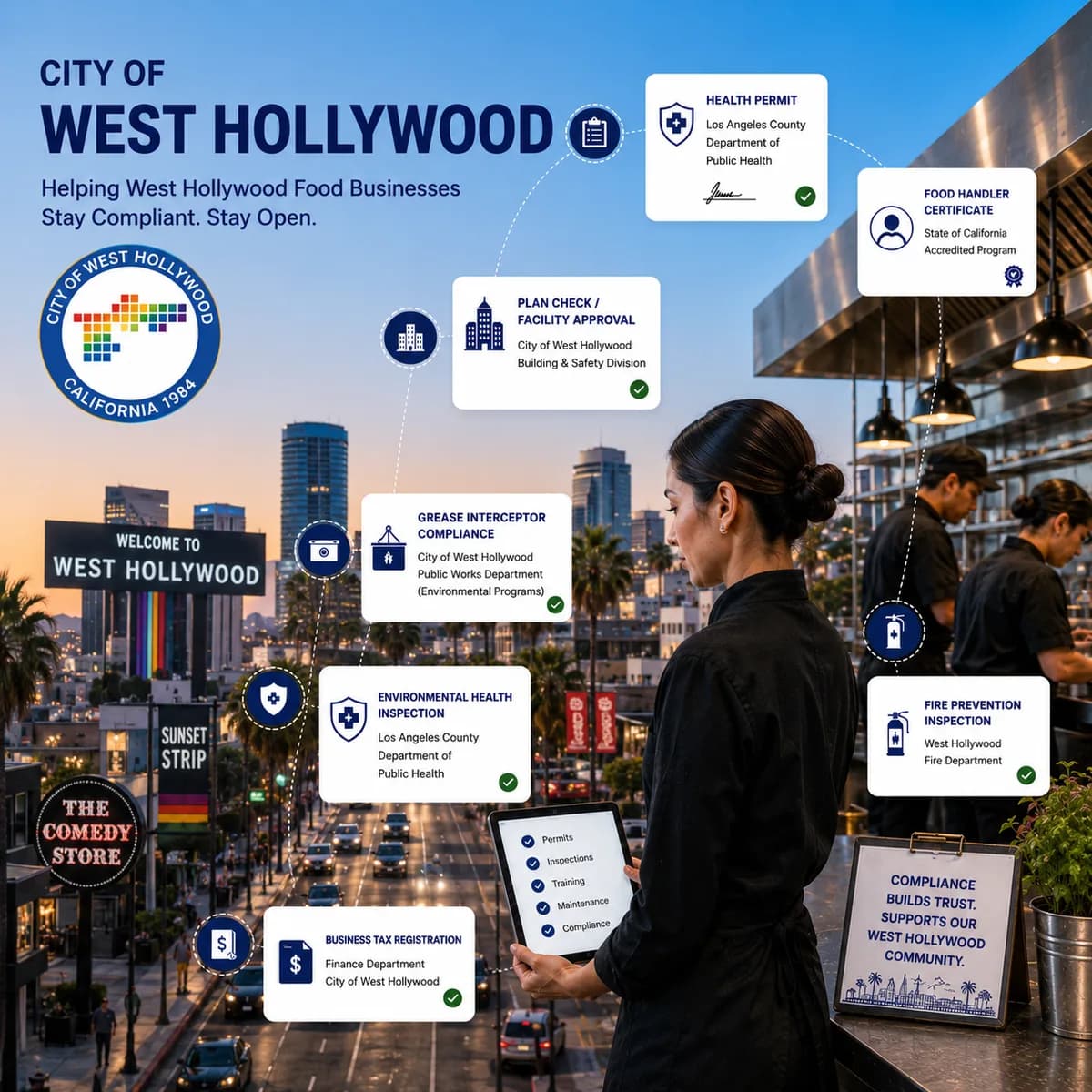
Running a West Hollywood Kitchen: The Contract-City Compliance Reality No One Briefs You On
West Hollywood contracts both fire and police to LA County, runs a 2 a.m. bar scene, and gives you a five-hour maintenance window. Here is how operators actually navigate it.

The Los Angeles compliance calendar nobody hands you on opening day
A working guide to navigating restaurant compliance in the City of Los Angeles: LA County health grading, NFPA 17A suppression cycles, LAFD Reg 4, the Operational Fire Permit, and the FOG rules that catch operators off guard.
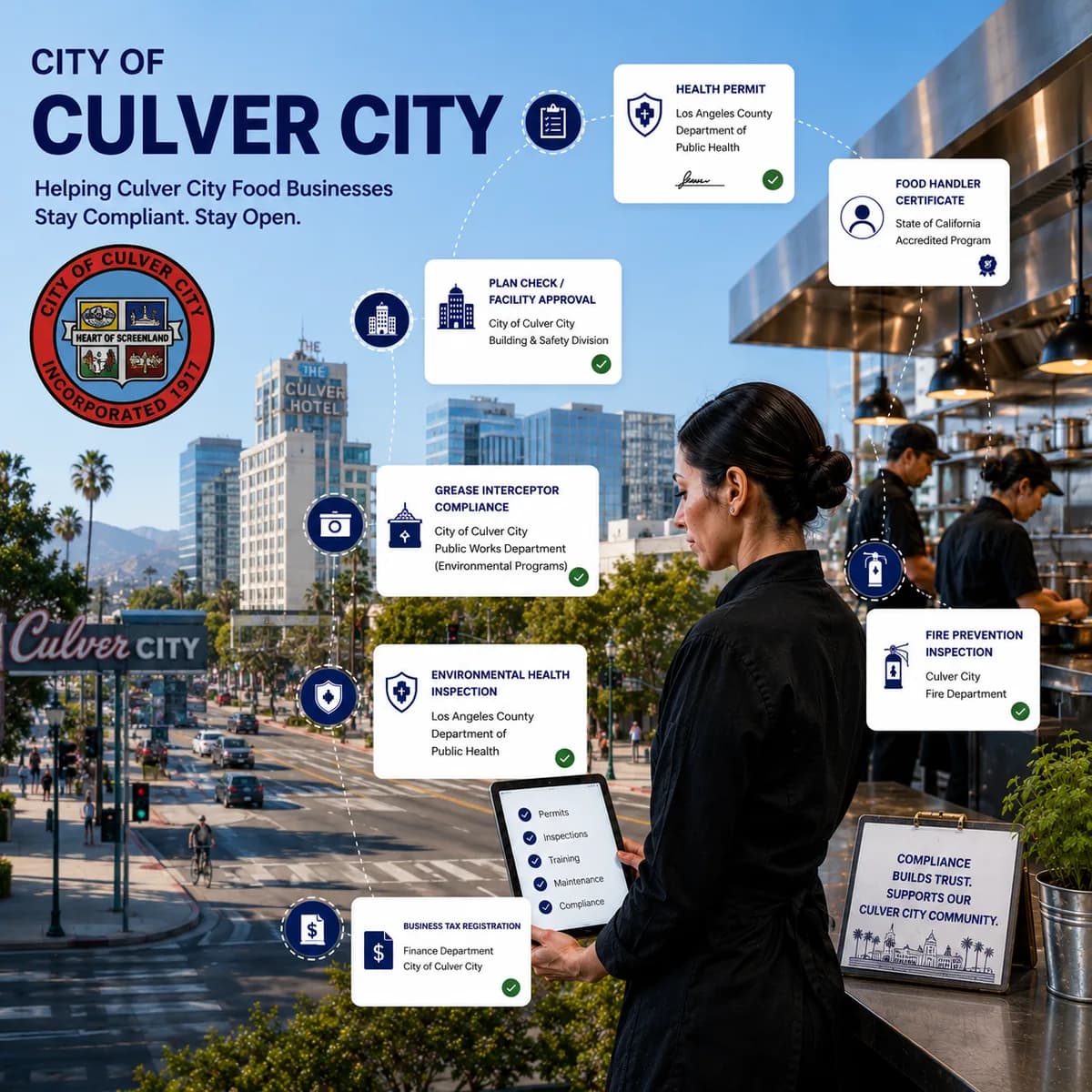
Running a Culver City kitchen across two regulators and a redesigned curb
A Culver City restaurant operator answers to the Culver City Fire Department for fire safety and LA County Public Health for food safety, while the MOVE road redesign reshapes how service trucks reach the curb. Here's how to navigate all three.
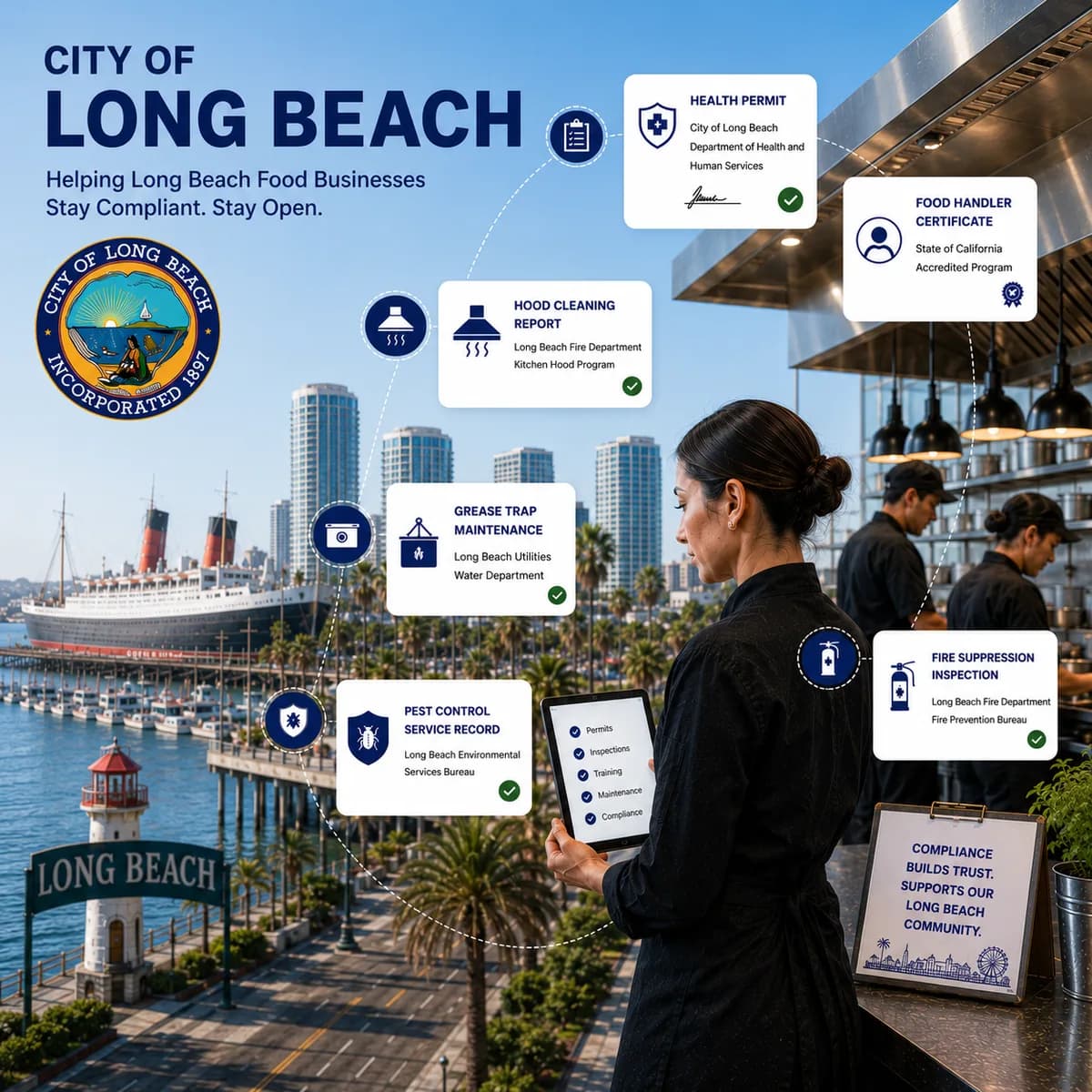
What Out-of-Town Operators Get Wrong About Long Beach Kitchen Compliance
Long Beach runs its own health and fire departments, posts no letter grades, and files fire-system reports through a city portal. How operators navigate it.
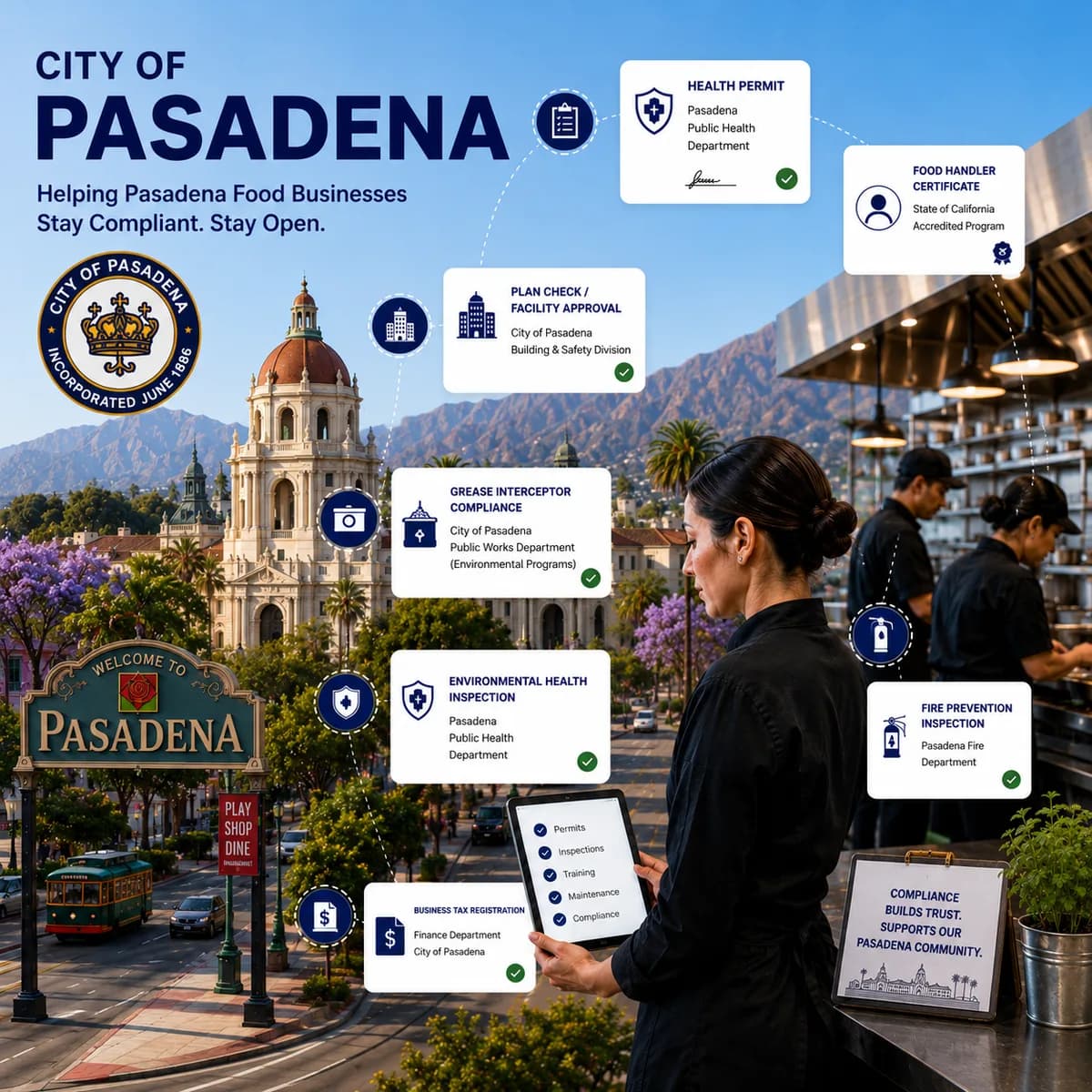
Opening a restaurant in Pasadena: the compliance differences that catch operators off guard
Pasadena runs its own health department and fire code, separate from LA County. Here's what restaurant operators expanding into the city need to know before they open.
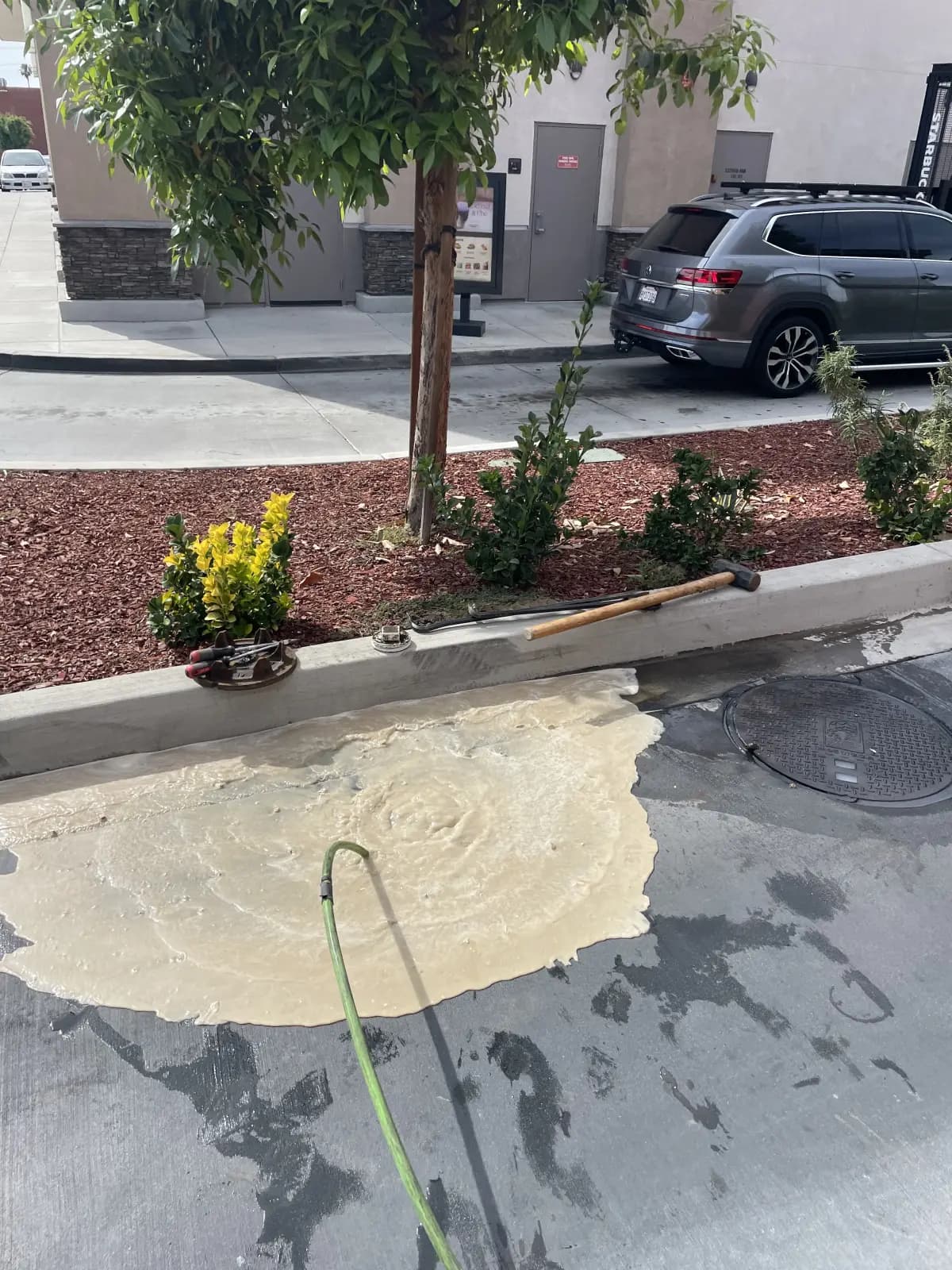
Grease Trap Overflowing at Your Restaurant? What to Do Next Before It Disrupts Service
A grease trap overflow can escalate from a slow drain to a service disruption. Here is what to do right now, when pumping may be enough, and when hydro jetting is also needed.
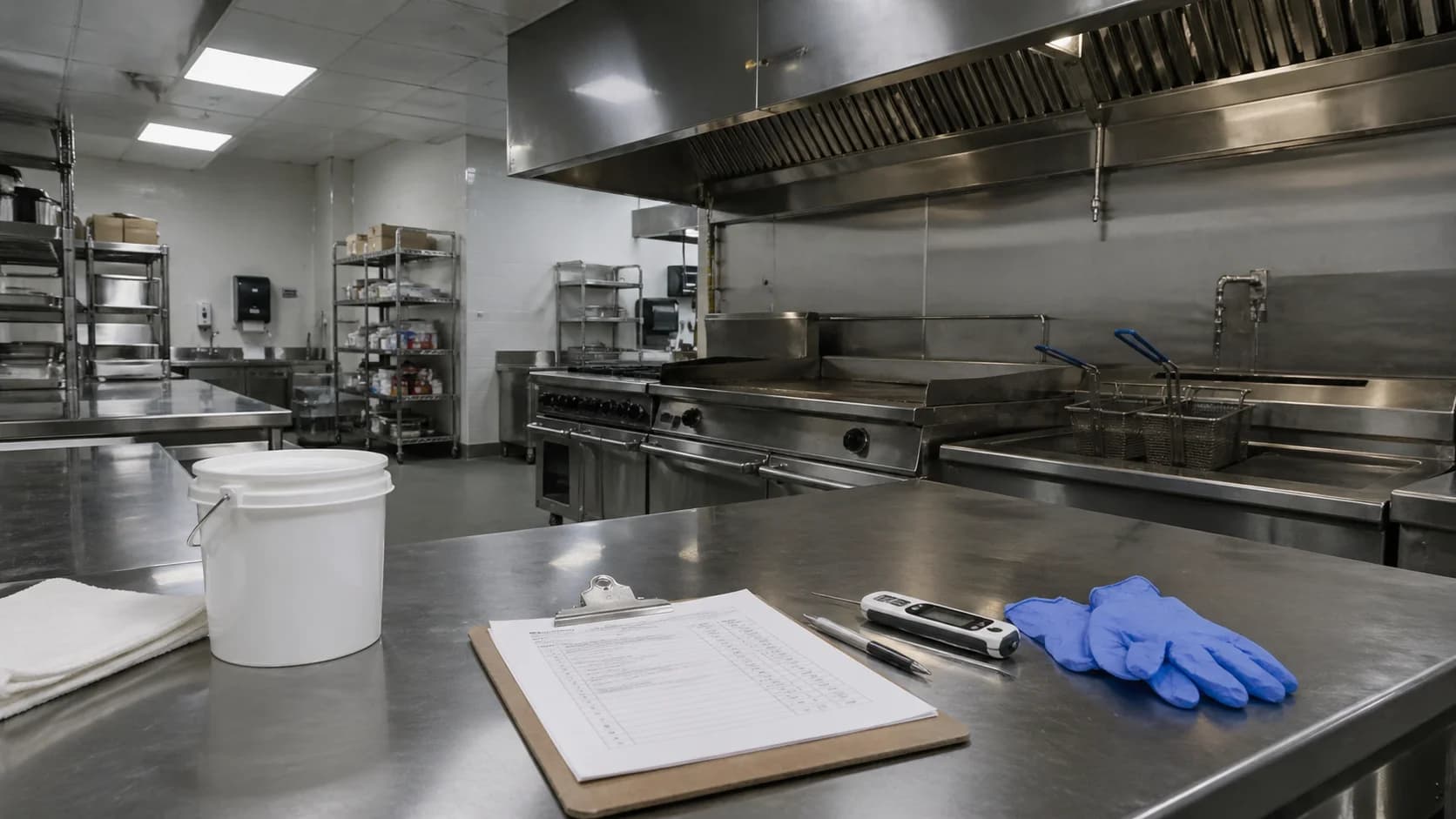
What LA County Health Inspectors Are Actually Finding in Restaurant Kitchens — Data from 31,856 Inspections
We analyzed 31,856 LA County Environmental Health inspections from 2023–2025. Here are the most cited violations, the biggest point deductions, and what they mean for your kitchen.