A grease trap overflowing at your restaurant can quickly turn from a plumbing issue into an operations problem. What may start as slow drainage, bad odors near the dish area, or water around a floor drain can lead to wastewater backup, sanitation concerns, and possible service disruption.
For restaurants in Los Angeles and Southern California, grease trap issues are especially important because commercial kitchens handle fats, oils, grease, food particles, and heavy wastewater flow every day. If your grease trap or grease interceptor is not cleaned on the right schedule, it can cause backups, odors, kitchen drain issues, and FOG compliance problems.
The most important thing is to act quickly, avoid guessing, and determine whether your restaurant needs grease trap pumping, grease trap cleaning, hydro jetting, or a closer inspection of the drain line.
What an Overflowing Grease Trap Usually Means
A grease trap is designed to capture fats, oils, grease, and solids before they move deeper into your plumbing system. Over time, the trap fills up. When it becomes too full or is not cleaned often enough, it can stop separating grease properly and may allow wastewater or FOG buildup to back up into the kitchen.
Common warning signs include:
- Bad odors near sinks, drains, or the dishwashing area
- Slow-draining sinks
- Water backing up through floor drains
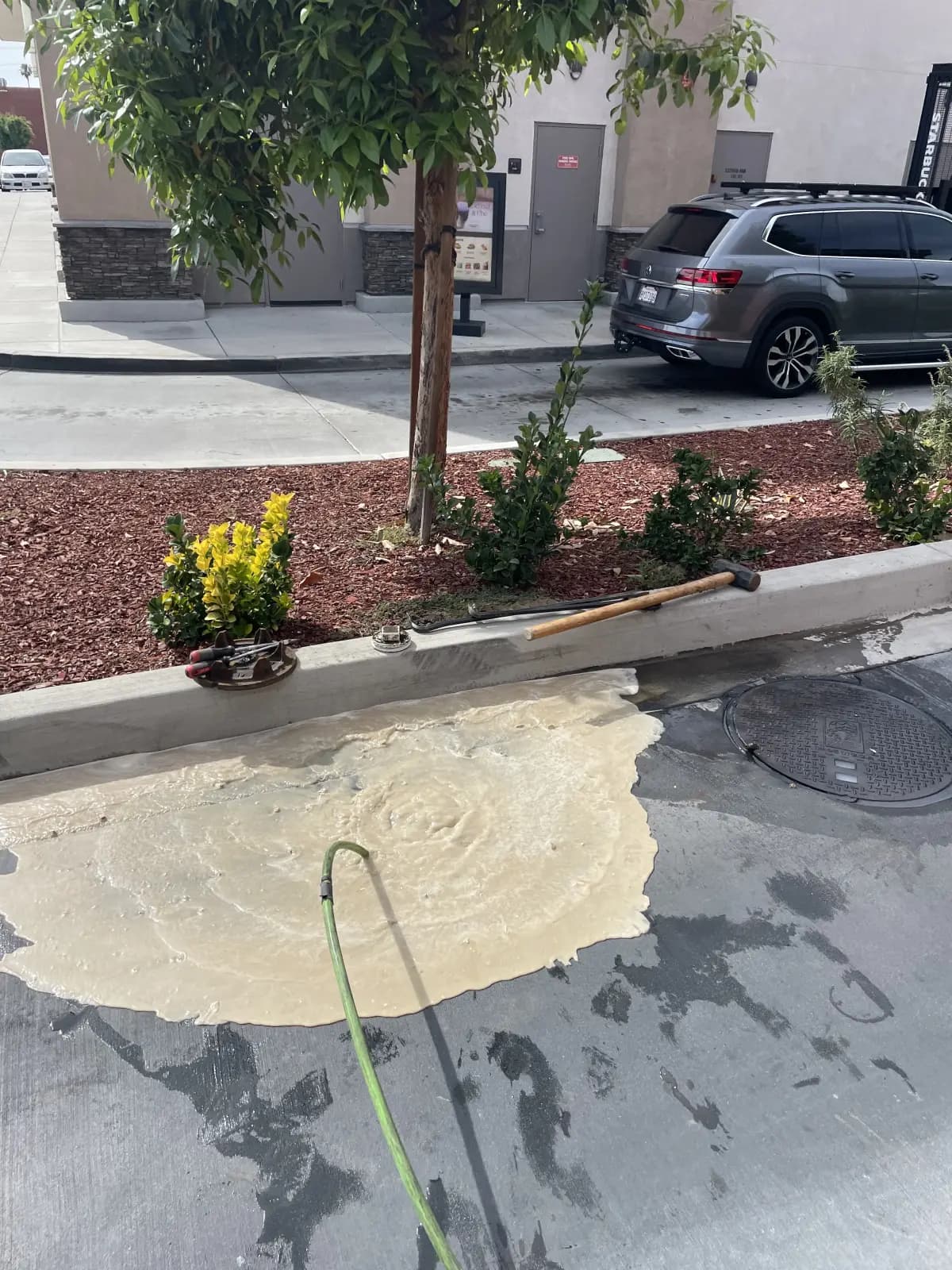
- Grease or wastewater around the trap
- Gurgling sounds from drains
- Standing water in the kitchen
- Recurring drain backups
If these symptoms are happening, your restaurant likely needs professional grease trap service as soon as possible.
What to Do Right Now
If your grease trap is overflowing, reduce water flow into the affected area if it is safe to do so. Avoid using sinks, dishwashers, or equipment connected to the backed-up line until the issue is checked. Adding more water can make the overflow worse.
Next, document the problem. Take photos or short videos of the overflowing trap, backed-up drains, slow sinks, standing water, visible grease, and affected kitchen areas. This helps Boh understand the issue faster and coordinate the right service.
Avoid using chemical drain cleaners. They are usually not effective for heavy grease buildup and may create additional problems for the plumbing system or grease trap components.
If wastewater has reached food prep areas, walkways, or customer-facing spaces, your team should treat the situation as urgent and limit use of the affected area until it is cleaned and serviced.
Why Grease Traps Overflow
Most restaurant grease trap overflows happen for one or more of these reasons.
The trap is full or overdue for service. High-volume kitchens that use fryers, oils, sauces, meat, dairy, or heavy dishwashing can fill traps faster than expected.
The service frequency is too low. Some restaurants wait too long between grease trap pumping appointments. If odors, slow drains, or backups are already happening, the current schedule may not be frequent enough.
The drain line is clogged. A clean trap will not solve the issue if the pipe leading to or from the trap is coated with grease, sludge, or debris.
Hot water or enzyme overuse may also contribute to downstream grease problems. These can temporarily move grease through the system, but the FOG may cool and harden farther down the line.
When Grease Trap Pumping May Be Enough
Grease trap pumping removes built-up grease, solids, and wastewater from the trap. If the trap is full, overdue, or heavily loaded, pumping may restore normal function and stop the overflow.
A proper restaurant grease trap cleaning should help answer:
- Was the trap full?
- Was there heavy grease or solid buildup?
- Is the current cleaning schedule enough?
- Are there signs of a drain line issue?
- Is hydro jetting recommended?
The goal is not only to fix the current overflow. The goal is to prevent the same issue from coming back.
When Pumping Is Not Enough
Sometimes the grease trap is pumped, but the kitchen drain keeps backing up. This usually means the problem is not only inside the trap. It may be farther down the drain line.
That is when hydro jetting may be needed. Grease trap cleaning removes waste from the trap. Hydro jetting clears grease, sludge, and debris from inside the drain line using high-pressure water.
Your restaurant may need both grease trap pumping and hydro jetting if drains are still slow after pumping, floor drains keep backing up, odors return shortly after service, or multiple fixtures are backing up at the same time.
Why FOG Compliance Matters
FOG stands for fats, oils, and grease. Restaurants are expected to manage FOG properly because grease buildup can affect the kitchen, the property, and shared sewer infrastructure.
A strong FOG compliance process should include routine grease interceptor cleaning, service records, technician notes, waste disposal documentation, and a schedule based on actual kitchen usage. If your restaurant has already experienced a grease trap overflow, it is a good time to review both your cleaning frequency and your documentation.
How Boh Helps
When a grease trap overflows, restaurant teams do not always have time to figure out whether they need grease trap pumping, hydro jetting, drain repair, or commercial cleaning.
Boh helps simplify the process. Restaurants can submit the issue, share photos, and request service. Boh coordinates with trusted BohPros for the appropriate next step, whether that is grease trap cleaning, grease trap pumping, grease interceptor cleaning, hydro jetting, or related back-of-house support.
Boh remains your single point of contact, helping your team avoid vendor phone tag while keeping the issue moving.
Request grease trap cleaning through Boh to help keep your kitchen operating before a small drainage issue becomes a bigger service disruption.
Frequently asked questions
What should I do first if my restaurant grease trap is overflowing?
Reduce water flow into the affected area, stop using connected sinks or dishwashers if possible, document the issue with photos or videos, and request professional grease trap service.
Does an overflowing grease trap always mean it needs pumping?
Not always, but pumping is often the first step. If the trap is full or overdue for service, grease trap pumping may resolve the issue. If drains keep backing up after pumping, the drain line may also need hydro jetting.
What is the difference between grease trap cleaning and hydro jetting?
Grease trap cleaning removes grease, solids, and wastewater from the trap. Hydro jetting clears grease, sludge, and debris from the drain line using high-pressure water.
How often should a restaurant schedule grease trap cleaning?
It depends on kitchen volume, trap size, menu type, oil use, dishwashing volume, and local requirements. Restaurants with heavy grease output may need more frequent service than quarterly cleaning.
Why does FOG compliance matter for restaurants?
FOG stands for fats, oils, and grease. Restaurants need to manage FOG properly to prevent backups, odors, plumbing problems, sanitation issues, and compliance concerns.
Can Boh help with both grease trap pumping and hydro jetting?
Yes. Boh can coordinate the right service through trusted BohPros, including grease trap cleaning, grease trap pumping, grease interceptor cleaning, hydro jetting, and related back-of-house support.
Ready when you are
Running into issues with your kitchen
Our team coordinates vetted technicians across Southern California, same day for emergencies.