
In this article · 3 sections
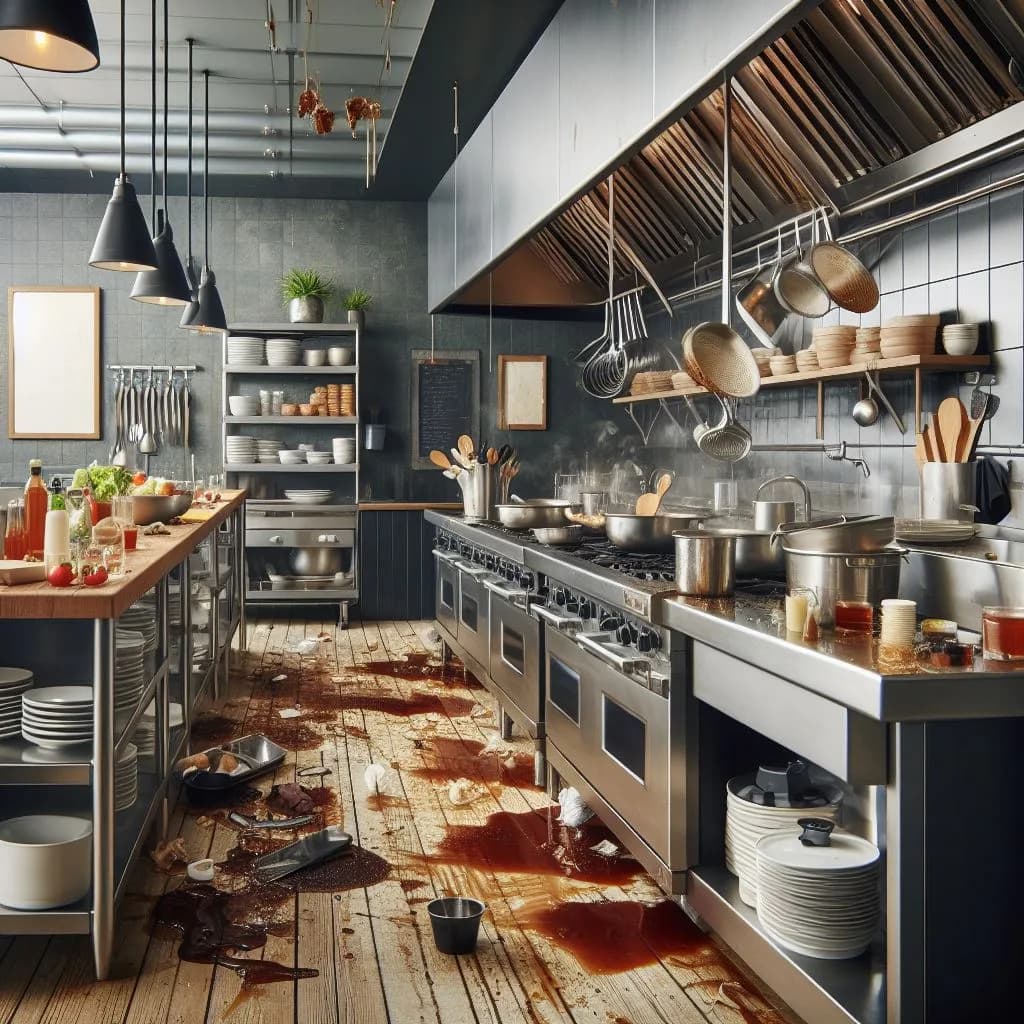
In the fast-paced world of restaurant management, there's a crucial aspect that can often be overlooked: compliance with health and safety regulations in commercial kitchens. Non-compliance isn't just a matter of failing to meet standards; it can have significant repercussions on the success and longevity of a restaurant.
For restaurant owners, maintaining a clean and compliant kitchen isn't just about meeting legal requirements—it's about safeguarding their business, reputation, and most importantly, the health of their customers. A well-maintained kitchen isn't just a mark of professionalism; it's a fundamental aspect of running a successful and sustainable restaurant operation.
Understanding the Hidden Costs of Non-Compliance
Define non-compliance in the context of commercial kitchens:
Non-compliance in commercial kitchens refers to the failure to adhere to health, safety, and sanitation regulations set forth by local authorities and governing bodies. This can include neglecting proper cleaning procedures, maintenance of equipment, and ensuring food safety standards are met.
Discuss the various ways non-compliance can impact a restaurant's bottom line:
Fines and penalties from health inspections:
Non-compliance with regulations often results in hefty fines and penalties imposed by health inspectors. These fines can quickly add up, leading to significant financial strain on restaurant owners.
Loss of reputation and customer trust:
Non-compliance can tarnish a restaurant's reputation and erode customer trust. News of health violations or food safety incidents spreads quickly, leading to a decline in customer patronage and revenue loss.
Increased risk of foodborne illnesses and liability issues:
Failure to maintain proper hygiene and sanitation standards increases the risk of foodborne illnesses among patrons. In addition to the potential harm caused to customers, restaurants may face costly legal battles and liability claims.
Higher insurance premiums:
Insurance companies may increase premiums or even revoke coverage for restaurants found to be non-compliant with health and safety regulations. This can result in additional financial burdens for restaurant owners.
Emphasize the importance of proactive maintenance to prevent non-compliance issues:
Proactive maintenance is essential for preventing non-compliance issues in commercial kitchens. By implementing regular cleaning schedules, conducting routine inspections, and addressing maintenance issues promptly, restaurant owners can mitigate the risk of violations and ensure compliance with regulations. Prioritizing maintenance not only protects the health and safety of patrons but also safeguards the financial well-being of the restaurant.
The Importance of Regular Kitchen Maintenance
Highlight the significance of regular maintenance for commercial kitchen equipment and infrastructure:
Regular maintenance is the backbone of a well-functioning commercial kitchen. It ensures that equipment operates efficiently, maintains food safety standards, and creates a hygienic environment for food preparation. Without consistent upkeep, kitchen equipment can deteriorate rapidly, leading to costly repairs, health violations, and potential business closures.
Discuss the benefits of regular maintenance:
Extending the lifespan of equipment:
Regular maintenance prolongs the lifespan of kitchen equipment, reducing the need for costly replacements. By addressing minor issues early on, restaurant owners can prevent major breakdowns and ensure equipment operates optimally for years to come.
Reducing the risk of sudden breakdowns during service:
Scheduled maintenance helps identify and address potential issues before they escalate into emergencies. By preemptively servicing equipment, restaurant owners can minimize downtime during peak hours and avoid disruptions to service.
Improving energy efficiency and reducing utility costs:
Well-maintained equipment operates more efficiently, consuming less energy and reducing utility costs. By regularly cleaning and servicing equipment, restaurant owners can optimize performance and save money on energy bills over time.
Conclusion
In this article, we've explored the hidden costs of non-compliance in commercial kitchens and the importance of prioritizing maintenance to avoid these expenses. We've discussed how non-compliance can lead to fines, loss of reputation, increased risk of foodborne illnesses, and higher insurance premiums. Additionally, we've highlighted the significance of regular kitchen maintenance in extending equipment lifespan, reducing breakdowns, and improving energy efficiency.
It's clear that neglecting kitchen maintenance can have significant financial and reputational consequences for restaurant owners. By prioritizing maintenance, restaurant owners can mitigate the risk of non-compliance, reduce operational costs, and protect their business from costly penalties and liabilities. Investing in maintenance not only ensures regulatory compliance but also contributes to the overall success and profitability of the restaurant.
Frequently asked questions
How much can health code violations cost a restaurant?
Health code violation fines vary by location and severity, but can range from hundreds to thousands of dollars per violation. Additionally, restaurants may face increased insurance premiums, loss of revenue from damaged reputation, and potential legal liability costs from foodborne illness incidents.
What happens if a restaurant fails a health inspection?
Failed health inspections can result in fines, mandatory corrective actions, closure orders, and public notification of violations. This can severely damage your restaurant's reputation, lead to customer loss, and increase insurance costs or coverage denial.
How often should commercial kitchen equipment be maintained?
Most commercial kitchen equipment should be inspected and serviced regularly based on manufacturer recommendations—typically monthly or quarterly for high-use equipment. Regular maintenance prevents breakdowns, ensures food safety compliance, and extends equipment lifespan, ultimately protecting your bottom line.
What kitchen maintenance requirements do health inspectors look for?
Health inspectors check for proper cleaning procedures, equipment maintenance, food storage temperatures, pest control, staff hygiene practices, and documentation of sanitation schedules. Staying ahead with proactive maintenance in these areas helps you pass inspections and avoid costly violations.
Ready when you are
Running into issues with your kitchen
Our team coordinates vetted technicians across Southern California, same day for emergencies.