
Hood due for cleaning?
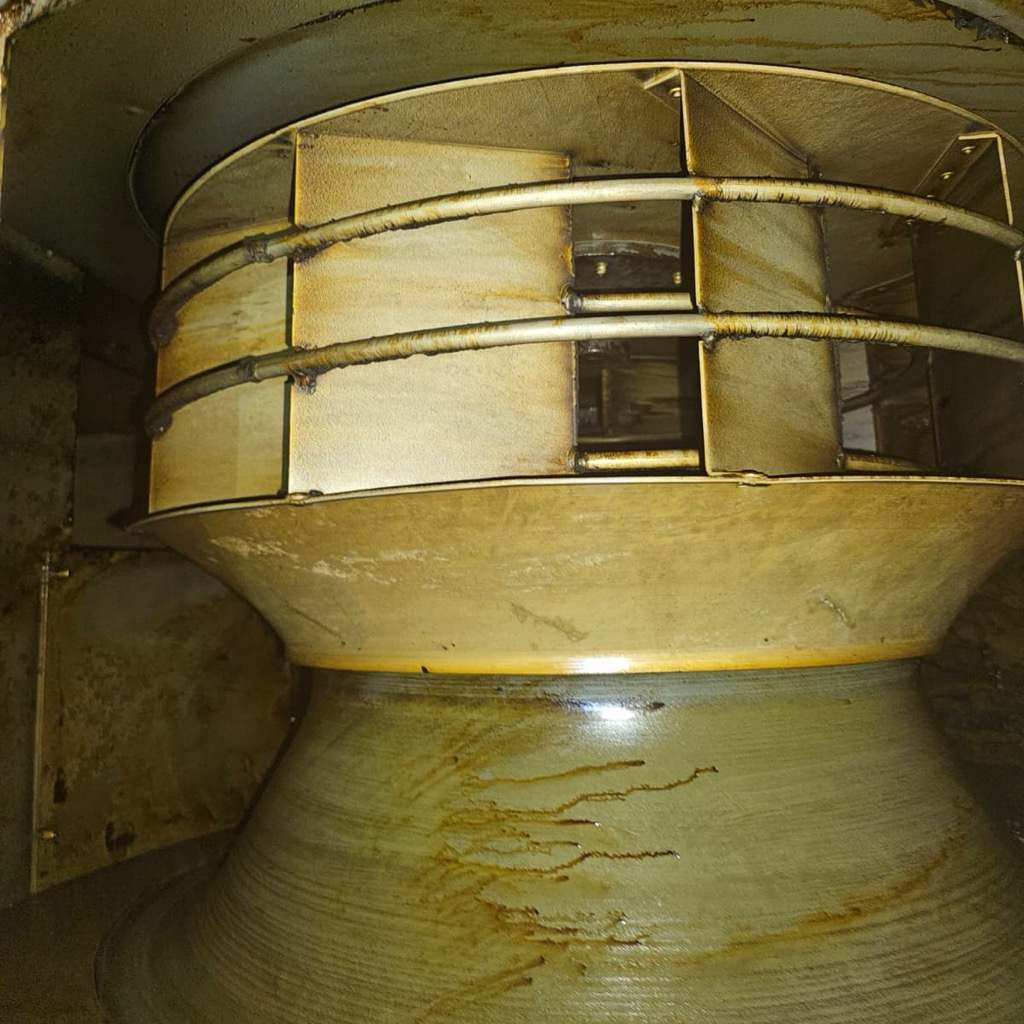
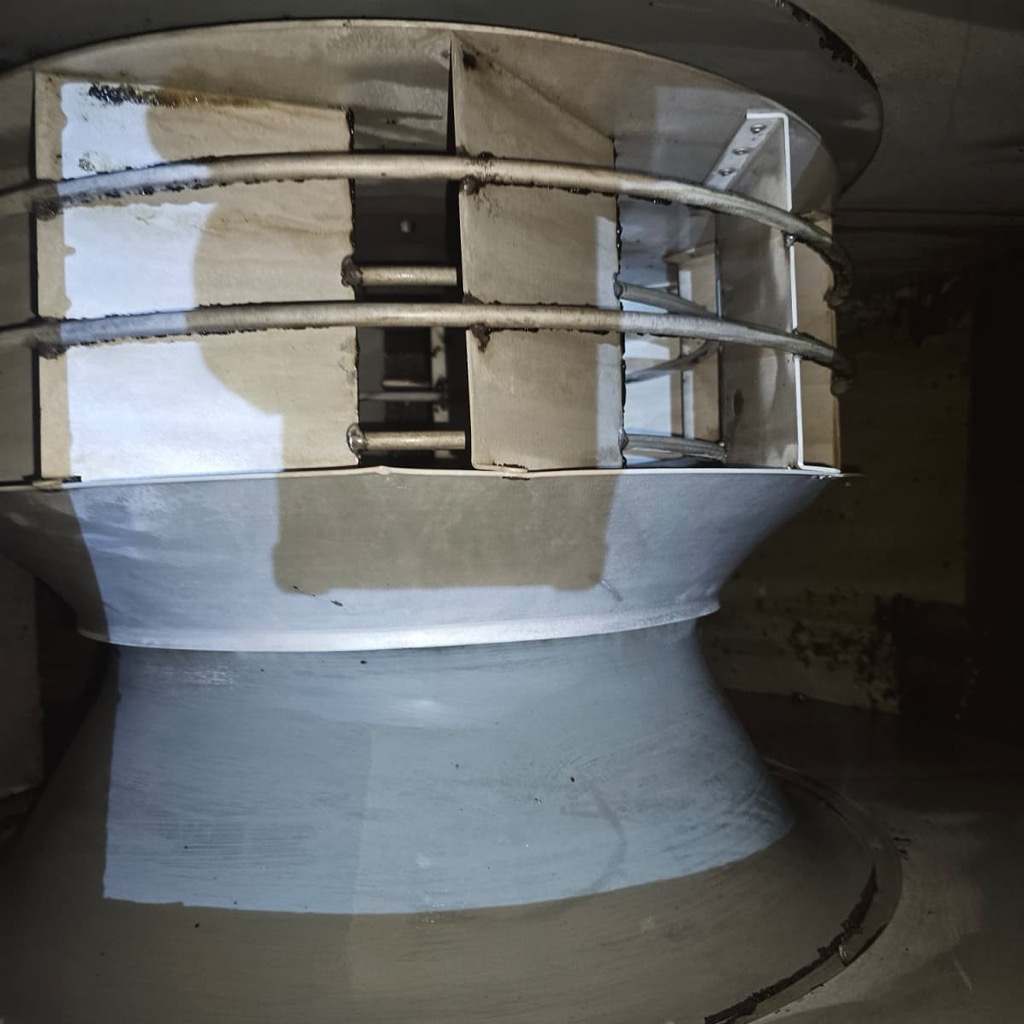
Hoods, ducts, and fans cleaned to NFPA 96 standard.
Grease buildup in hoods and ducts is the most common cause of kitchen fires and the most-cited exhaust violation in Southern California inspections. Boh dispatches a licensed technician to clean the full exhaust system. Compliance tag affixed and documentation uploaded after every visit.
Everything the BohPro does on site.
Documentation filed to your account.






Common questions
How often is hood cleaning required for my restaurant?
Hood cleaning frequency in Los Angeles is governed by NFPA 96, the national standard for commercial kitchen ventilation and fire protection, enforced locally by the LAFD and independent fire departments in cities like Pasadena, Burbank, and Santa Monica. The standard sets four intervals based on cooking type and volume: monthly for solid-fuel operations using wood or charcoal, quarterly for high-volume kitchens running 24-hour service, charbroiling, or wok cooking, semi-annually for moderate-volume full-service restaurants, and annually for low-volume operations like seasonal businesses or institutional kitchens. Most full-service restaurants in Southern California fall into the quarterly category. Your actual cooking volume, fuel type, and menu, not a calendar preference, determine which interval applies to your kitchen, and a certified hood cleaning company can assess your grease accumulation rate to confirm the right schedule.
Is hood cleaning a legal requirement in California?
Hood cleaning is not optional in California. It is a legal requirement under California Fire Code Section 904.12.5 and NFPA 96, the national standard adopted and enforced at the local level. In the City of Los Angeles, the LAFD Fire Prevention Bureau enforces compliance. In cities with independent fire departments (Pasadena, Burbank, Santa Monica, Long Beach, Glendale) the local fire authority is the enforcement body. Failure to maintain current hood cleaning certificates can result in fines of up to $1,000 per violation and, in cases of significant grease accumulation, forced closure. A missed hood cleaning generates citations from two agencies simultaneously: the fire marshal under California Fire Code, and the health department under California Health and Safety Code Section 113984, each with its own correction deadline and reinspection fee.
What does a professional hood cleaning actually include?
A professional hood cleaning that meets NFPA 96 standards covers every component of the exhaust system, not just the visible hood surface. That means the hood canopy interior, all grease baffles and filters, the full ductwork run from the hood through the ceiling and walls to the rooftop, the exhaust fan housing and blades, and the rooftop grease containment system. NFPA 96 Section 11.6.1 requires cleaning to bare metal: grease must be removed entirely, not surface-wiped. Access panels are opened to reach duct sections that are not visible from the kitchen floor. After service, the company must provide a dated cleaning certificate identifying the technician, company, scope of work, and any deficiencies found. That certificate must be posted visibly in the kitchen at all times, not filed in a binder.
What happens if a health inspector finds my hood cleaning certificate is expired?
A missing or expired hood cleaning certificate is one of the most common, and most avoidable, violations LA County inspectors cite. The consequence is double exposure: the health department cites the violation under California Health and Safety Code Section 113984, and the fire marshal cites it separately under California Fire Code. Each citation comes with its own correction deadline and reinspection fee. The certificate must be posted visibly in the kitchen at all times; an inspector who has to ask for it will treat that as non-compliance. For multi-location operators, a lapsed certificate at one location while others are current is a common failure point. Each location requires its own current documentation.
Does the type of food I cook affect my hood cleaning schedule?
Cooking type is the primary variable in determining your hood cleaning schedule, and it is one that operators frequently underestimate. Kitchens running charbroilers, wok stations, or solid-fuel cooking (wood, charcoal, mesquite) generate significantly more grease vapor than kitchens focused on steaming, baking, or light sautéing. In Los Angeles, the LAFD is known to apply strict scrutiny to charcoal and wok operations, both common in Koreatown, East LA, and the San Gabriel Valley, and these kitchens are routinely required to clean monthly rather than quarterly, regardless of overall volume. If your menu has shifted toward higher-grease cooking since your last assessment, your cleaning interval may need to change. A certified hood cleaning contractor can inspect your ductwork and assess your actual grease accumulation rate to confirm the right frequency for your specific kitchen.