
HVAC due for service?
Filters, coils, and fans serviced.
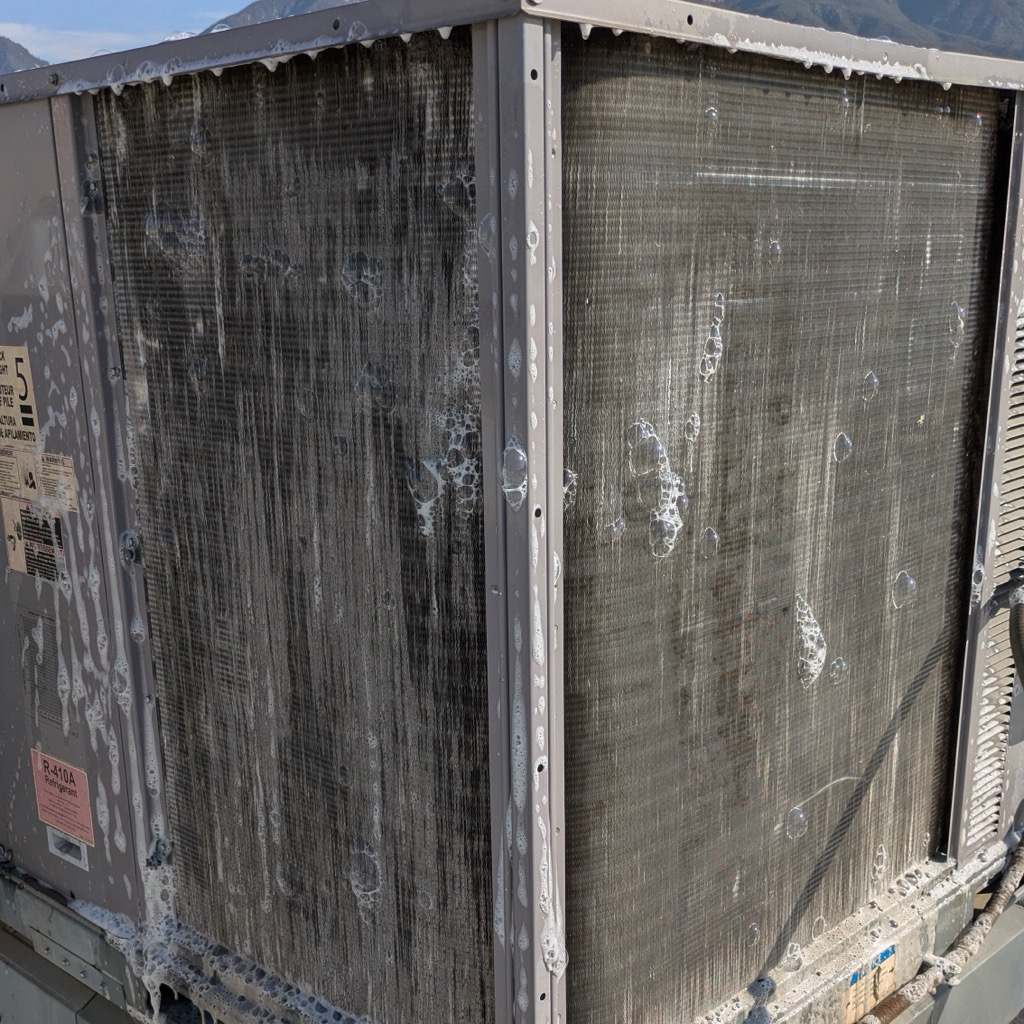
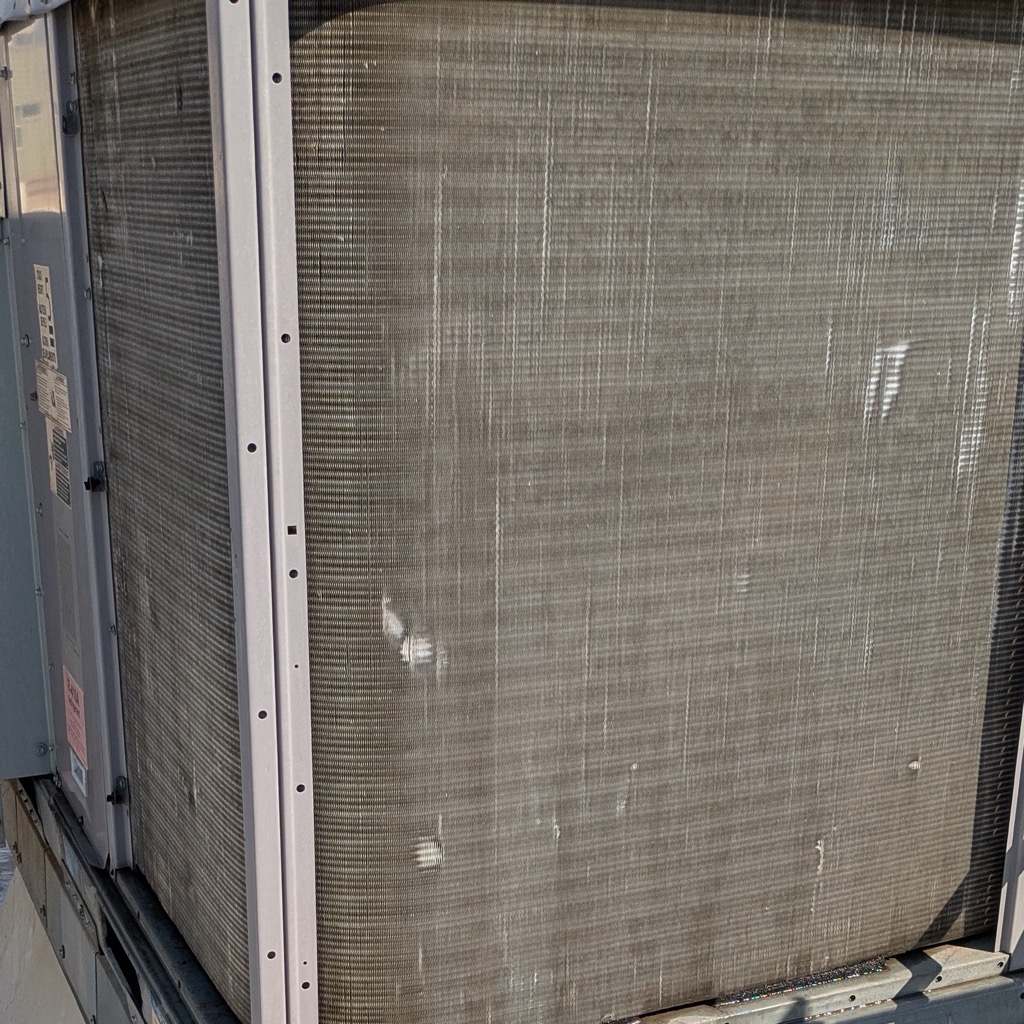
A neglected HVAC system raises energy costs, degrades air quality for staff and customers, and risks fire code violations from grease-laden filters. Boh dispatches a licensed technician to inspect, clean, and tune your system. Replacement filters inside the HVAC unit are included in every visit.
Everything the BohPro does on site.
Documentation filed to your account.






Common questions
How often should a restaurant's HVAC system be professionally maintained?
Restaurant HVAC systems require professional service twice per year, before the summer cooling season and before the winter heating season, at minimum. This schedule reflects two separate regulatory frameworks: California Title 24, Part 6, which requires commercial HVAC systems to be maintained to preserve their rated energy efficiency and mandates that maintenance records be available for inspection; and ASHRAE Standard 180-2018, which establishes semi-annual professional service as the minimum frequency for commercial buildings. For restaurants specifically, the semi-annual schedule is a floor rather than a ceiling. High-volume kitchens with continuous cooking operations, solid-fuel equipment, or rooftop units in grease-heavy environments frequently need quarterly attention to maintain performance between full service visits.
Why do restaurant HVAC systems require more attention than standard commercial buildings?
The operating environment of a commercial kitchen is categorically different from a standard office or retail space. Every cooking shift introduces grease vapor, smoke, heat, and moisture into the air handling system at volumes and concentrations that standard commercial HVAC systems are not designed to manage without regular intervention. Grease coats air filters and coil surfaces, reducing airflow and heat exchange efficiency. Heat loads from cooking equipment, fryers, and ovens force the system to work harder to maintain dining room comfort. Particulates from flour, spices, and cooking smoke accelerate filter loading. The result is that a restaurant HVAC system accumulates the wear equivalent of several years of standard commercial operation in a single year. Without regular maintenance calibrated to that load, efficiency drops, air quality suffers for staff and guests, and equipment lifespan shortens significantly.
What does HVAC maintenance include for a restaurant?
A professional HVAC maintenance visit for a restaurant kitchen covers the full system from air handling unit to rooftop equipment. Filters are replaced or cleaned based on condition: in high-grease environments, replacement is typically required at every visit. Condenser and evaporator coils are inspected for fouling and cleaned, as grease accumulation on coils is the primary driver of efficiency loss in restaurant systems. Refrigerant charge is verified: low refrigerant is often a sign of a leak that should be addressed rather than just topped off. Electrical connections, contactors, and capacitors are inspected for wear. The thermostat is calibrated against actual measured temperatures. Drain pans and condensate lines are cleared to prevent overflow and water damage. Belts and bearings are inspected on older rooftop units. All service is documented with findings and corrective actions. This documentation satisfies Title 24's record-keeping requirement and protects your equipment warranty.
Can deferred HVAC maintenance void equipment warranty?
Commercial HVAC equipment warranties are conditional on documented maintenance, and manufacturers enforce this condition when warranty claims are filed. The most common scenario: a compressor fails prematurely. The manufacturer's service team inspects and finds severely fouled condenser coils that caused the compressor to overheat and fail, a condition that would have been identified and corrected by regular maintenance. Without maintenance records to demonstrate the system was being properly serviced, the warranty claim is denied. Rooftop HVAC units for commercial kitchens typically carry warranty values of $10,000 to $30,000 on major components. Losing that coverage due to undocumented maintenance is a significant financial exposure relative to the cost of twice-yearly professional service. Maintenance records must be retained for the full warranty period.
How does HVAC maintenance affect energy costs?
The energy cost impact of deferred HVAC maintenance is measurable and significant. Dirty condenser coils reduce heat exchange efficiency and force the compressor to run longer cycles to achieve the same cooling output: research consistently shows this adds 15 to 30% to cooling energy consumption. Clogged air filters restrict airflow through the system, increasing the static pressure the fan must overcome and further reducing efficiency. Refrigerant undercharge from unaddressed leaks causes the compressor to work harder for less output. Across all these failure modes, an unmaintained HVAC system can cost 20 to 40% more to operate than a properly maintained one running the same hours. Industry data suggests that proper preventive maintenance reduces total HVAC repair and maintenance spending by approximately 18% annually. For a typical full-service restaurant, this translates to $4,000 to $6,000 per year in avoided costs, before accounting for the revenue impact of equipment failures during service.