
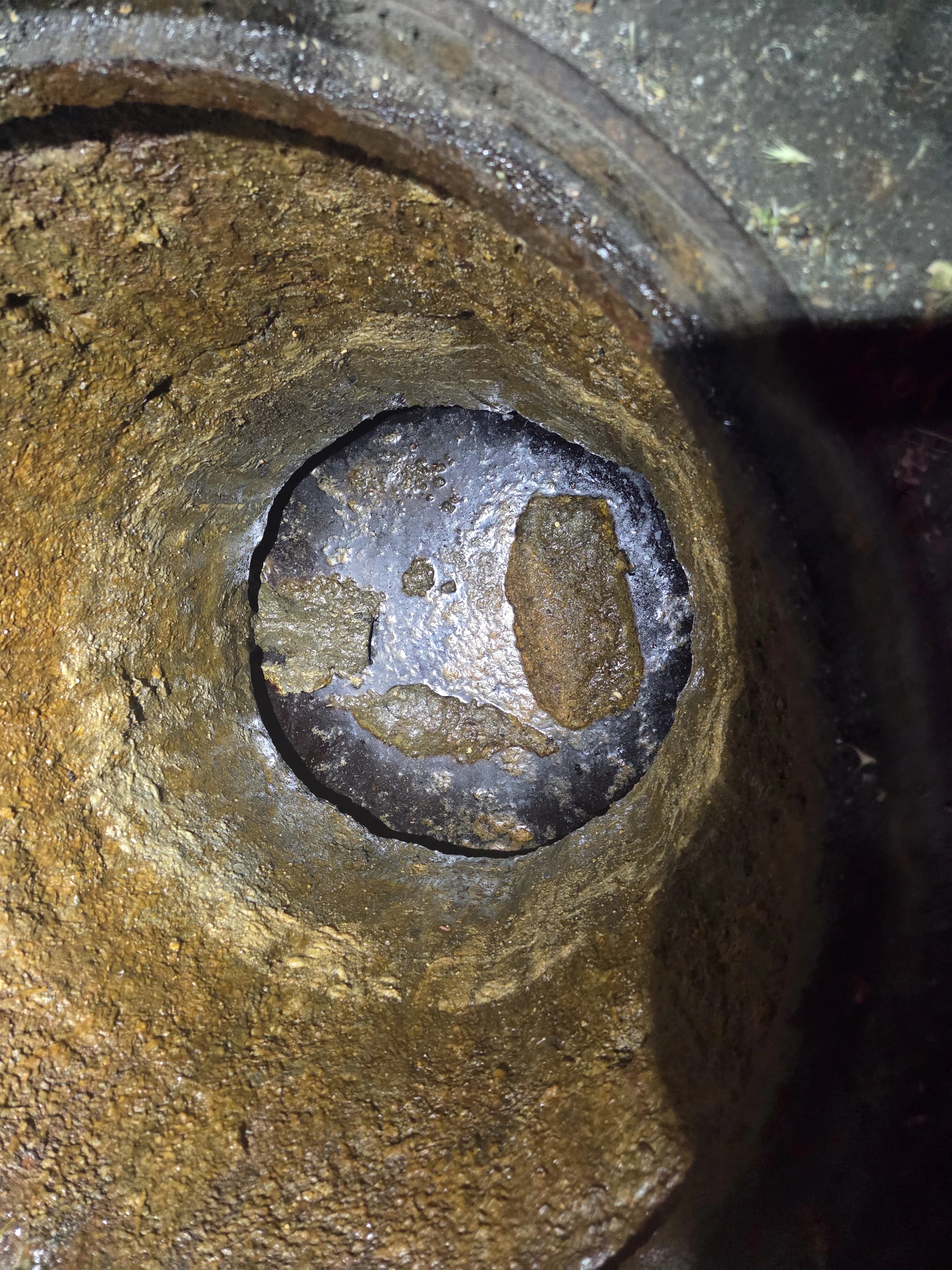
Grease trap cleaning is one of those services restaurant operators don't think about. Until the trap backs up during a Friday dinner rush. By then, it's an odor problem, a drainage problem, and potentially a health-inspection problem all at once.
Boh, which manages back-of-house repairs, maintenance, and compliance for Southern California restaurants, coordinates grease trap cleaning through a network of vetted service providers called BohPros. One of those partners, EnviroKlean, brings something to the work that's surprisingly rare in this trade: control over the entire process, from the trap to final disposal.
Why grease trap cleaning is more than just pumping
A grease trap intercepts fats, oils, and grease (FOG) before they reach the sewer line. Left unattended, that buildup hardens, restricts flow, and eventually causes backups - not just in the trap, but downstream in the kitchen's drain lines. Most operators know they need the trap pumped on a schedule. What they don't always see is where the waste goes afterward, or whether the job was documented well enough to satisfy a FOG inspection.
That paper trail matters. Many Southern California municipalities require grease trap service records and waste manifests as proof of compliance. A pumped trap with no documentation is a compliance gap waiting to be flagged.
What sets EnviroKlean apart: a closed-loop process
Most grease haulers collect waste and hand it off to a third-party processor. EnviroKlean is different: they operate their own non-hazardous liquid waste treatment facility in Vernon, California. That means when they pump a restaurant's trap, they control what happens next, all the way through responsible disposal and recycling.
For a restaurant operator, that closed loop translates into two practical benefits. First, accountability: the same company handling the collection is handling the disposal, so there's no murky chain of custody. Second, cleaner documentation: with the full process under one roof, the manifests and service records tend to be more complete and easier to produce when an inspector asks.
EnviroKlean's grease and oil work also connects naturally to the rest of a kitchen's waste picture. They handle used cooking oil collection and hydro jetting alongside grease trap cleaning. A recurring trap problem is often really a drain-line problem that pumping alone won't solve.
Warning signs your grease trap needs attention
Operators don't need to wait for a backup to act. Common signals include slow-draining sinks, persistent foul odors near floor drains, grease surfacing in the trap between scheduled services, and gurgling drain lines. Any of these usually means the trap is at or past capacity, or that the downstream line is starting to clog.
When pumping alone stops keeping up, that's often the point where hydro jetting (high-pressure line clearing) becomes the right next step. A coordinated provider can move from one to the other without the operator having to source a second vendor.
How Boh coordinates the service
This is where the BohPro model earns its keep. Rather than asking an operator to find, vet, and schedule a grease hauler themselves, Boh dispatches a vetted partner like EnviroKlean, confirms the work is done, and captures the documentation: service reports, before/after photos, and FOG manifests built to hold up at inspection.
For the operator, it's one point of contact for grease trap cleaning and the dozen other back-of-house services a kitchen depends on. No vendor juggling, no chasing manifests, no wondering whether the job got logged. The trap gets serviced on schedule by a provider who controls the full process, and the record lands where it needs to.
That's the value of coordinated back-of-house maintenance: the work gets done right, and the proof is ready when it counts.
Need grease trap cleaning for your restaurant? Request service through Boh and we'll coordinate a vetted BohPro to handle the job and the documentation.
Frequently asked questions
How often should a restaurant grease trap be cleaned in Southern California?
The minimum is every 90 days in most Southern California jurisdictions, but actual frequency depends on trap size, cooking volume, and how quickly FOG accumulates. High-volume kitchens and smaller indoor traps often need monthly service. The right cadence is one that keeps FOG accumulation below 25% of total wastewater depth — the threshold under California's FOG programs — before each service visit.
What is a FOG manifest and why does it matter for restaurant compliance?
A FOG manifest is the waste disposal documentation a licensed grease hauler provides after pumping your trap. It records the service date, the hauler's license number, the volume removed, and the disposal destination. Most Southern California municipalities require these records to be kept on-site for at least three years and produced on demand during an inspection. Missing manifests are a compliance gap even if the cleaning was performed.
What is hydro jetting and when does a restaurant need it?
Hydro jetting uses high-pressure water to clear buildup from drain lines, not just the grease trap itself. It's the right next step when pumping keeps the trap clean but slow drains or backups persist — which usually means the problem is downstream in the line. Boh can coordinate both services through vetted BohPros, so operators don't have to source a separate vendor.
What does a closed-loop grease disposal process mean?
A closed-loop process means the same company that pumps your grease trap also handles the waste treatment and disposal, rather than handing it off to a third-party processor. EnviroKlean operates their own non-hazardous liquid waste treatment facility, giving them control and documentation over the full chain of custody from collection to final disposal. For operators, that means cleaner paperwork and clearer accountability.
Does used cooking oil collection connect to grease trap compliance?
Yes. Used cooking oil is a separate waste stream from the FOG that accumulates in a grease trap, but both fall under California's FOG compliance framework. Operators who manage both through the same provider — or through a coordinator like Boh — tend to have more complete documentation and fewer gaps when an inspector asks for records.
How does Boh handle grease trap service scheduling and documentation?
When you request grease trap cleaning through Boh, we dispatch a vetted BohPro, confirm the work is completed, and capture the documentation — service reports, before/after photos, and FOG manifests. You don't manage the vendor relationship, chase the paperwork, or schedule the service yourself. It connects to everything else in your back-of-house through one point of contact.
Ready when you are
Running into issues with your kitchen
Our team coordinates vetted technicians across Southern California, same day for emergencies.