
Drain lines due for service?
Preventive jetting before blockages form.
Slow-moving drains are a sign of grease and debris accumulating in your lines, the direct cause of blockages, backups, and sanitation violations. Preventive hydro jetting is far cheaper than an emergency call mid-service. Boh dispatches a licensed technician on your schedule to clean your lines and keep them running clear.
Everything the BohPro does on site.
Documentation filed to your account.
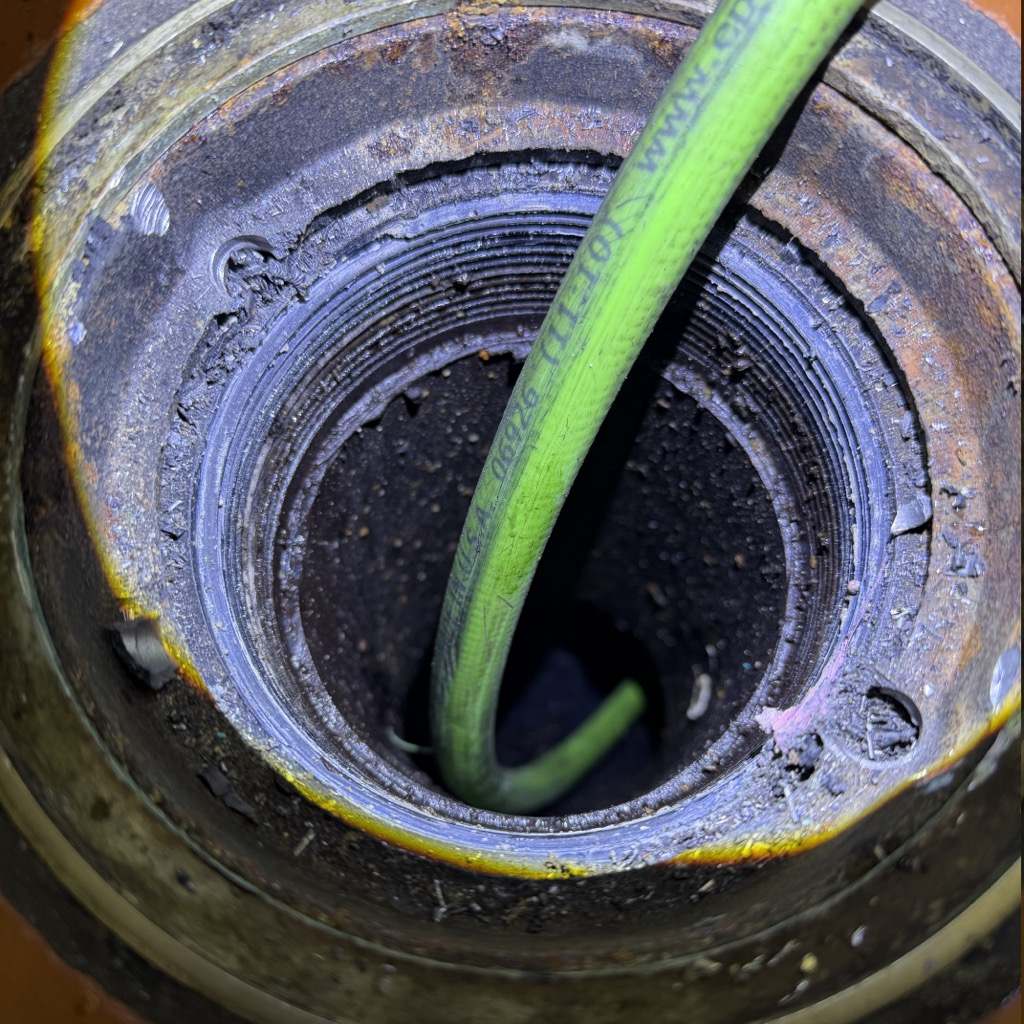
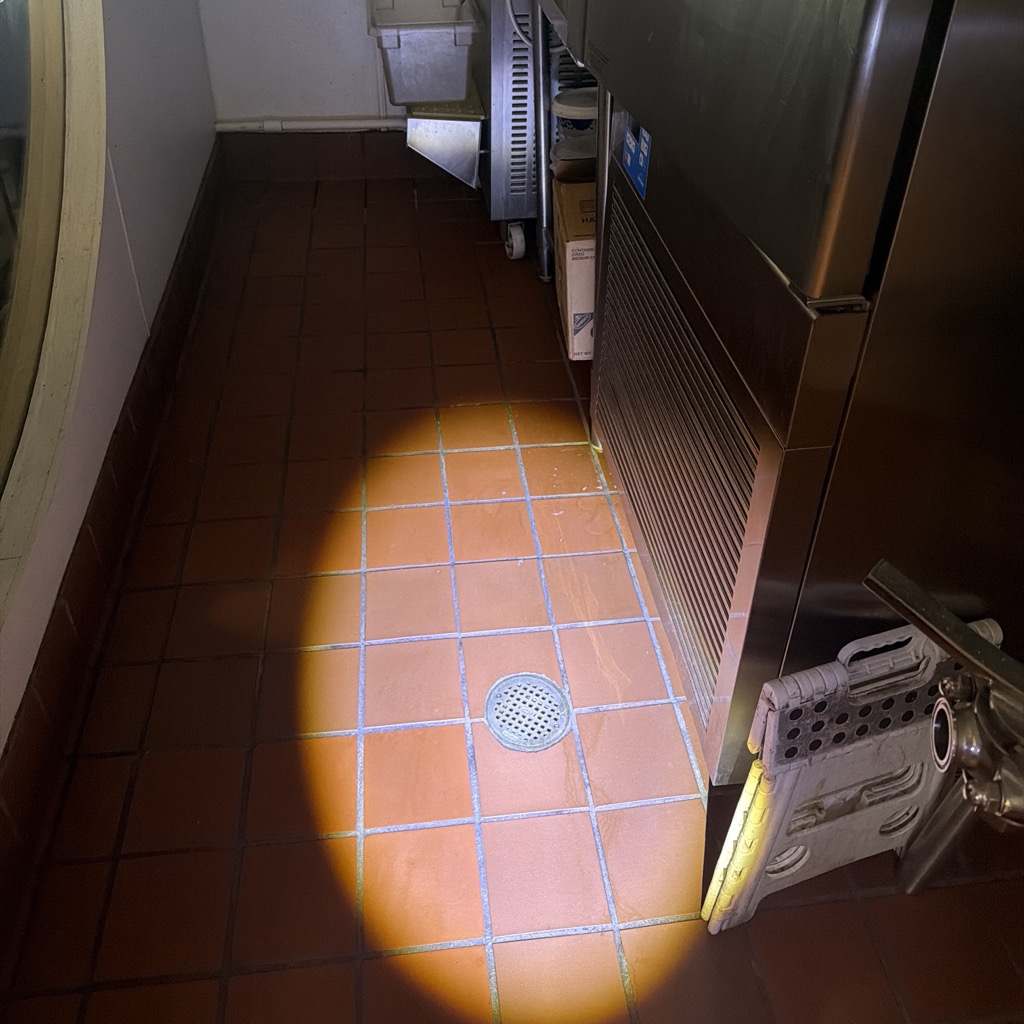






Common questions
What is hydro jetting and when does a restaurant need it?
Hydro jetting is a professional drain cleaning technique that uses high-pressure water, typically 3,000 to 4,000 PSI delivered through specialized rotating nozzles, to scrub the interior walls of drain lines clean, not just punch a hole through the obstruction. In a commercial kitchen, FOG accumulates daily on pipe walls as hot wastewater cools during transit. Over time, this buildup reduces pipe diameter, creates slow drainage, contributes to grease trap overflow, and ultimately causes complete blockages. Snaking a drain removes the immediate obstruction but leaves the wall buildup intact: the clog rebuilds, often within weeks. Hydro jetting removes the buildup entirely, restoring the full flow capacity of the pipe. Restaurants need it when experiencing slow drains, recurring clogs, or backing up into adjacent fixtures, and ideally on a scheduled preventive basis before those conditions develop, typically every 3 to 6 months depending on volume.
How often should restaurants schedule hydro jetting?
Hydro jetting frequency should be calibrated to the actual grease load your kitchen puts into its drain lines. High-volume operations running continuous frying (fast food, casual dining with heavy fried menus, ghost kitchens producing high volumes) can accumulate enough FOG in drain lines to require monthly or bi-monthly service. Full-service restaurants with moderate frying typically schedule quarterly. Lower-volume operations may extend to semi-annual. The external signals that a kitchen's current schedule is insufficient are slow drainage at multiple fixtures, recurring spot clogs that require frequent snaking, and grease trap accumulation rates that seem high relative to cooking volume (indicating FOG is bypassing the trap through partially blocked drain lines). A licensed plumber should perform a video camera inspection before the first hydro jetting service. Pipe sections that are corroded, cracked, or have deteriorated joints can be damaged by high-pressure water and should be identified before jetting begins.
Is hydro jetting better than snaking for restaurant drains?
Snaking and hydro jetting solve different problems, and for commercial kitchen drain lines, snaking addresses a symptom while hydro jetting addresses the cause. A drain snake is a mechanical cable that punches through the blockage at the center of the pipe and restores flow, but it does not touch the grease that has accumulated on the pipe walls. That grease coating continues to accumulate, the pipe continues to narrow, and the clog rebuilds, typically within 2 to 6 weeks in a high-grease kitchen. Hydro jetting's rotating nozzle scrubs the full circumference of the pipe wall, removing the wall buildup that accumulates over months and restoring the pipe to near-original diameter. For a commercial kitchen generating daily FOG loads, this is the difference between a temporary fix and a genuine maintenance solution. Snaking is appropriate for emergency response when immediate flow restoration is needed; hydro jetting is appropriate as a scheduled preventive service.
Can hydro jetting damage restaurant plumbing?
Hydro jetting at 3,000 to 4,000 PSI is a powerful process that can damage pipes that are already compromised, specifically pipes with corrosion, cracks, separated joints, or severely deteriorated walls. In commercial kitchen plumbing, cast iron drain lines from older buildings and improperly installed PVC runs are the most common candidates for concern. The standard professional protocol begins with a video camera inspection of the drain lines to identify any sections where pipe integrity is in question. Sections that are cracked, collapsed, or heavily corroded are excluded from jetting and flagged for repair or replacement. Operators should treat camera inspection as a non-negotiable prerequisite: a provider who quotes hydro jetting without a camera inspection first is skipping the step that protects both the plumbing and the operator. After jetting, a post-service camera pass confirms the lines are clear and identifies any damage that may have been revealed during the process.