
Ice machine due for service?
Full sanitization, descaling, and inspection.
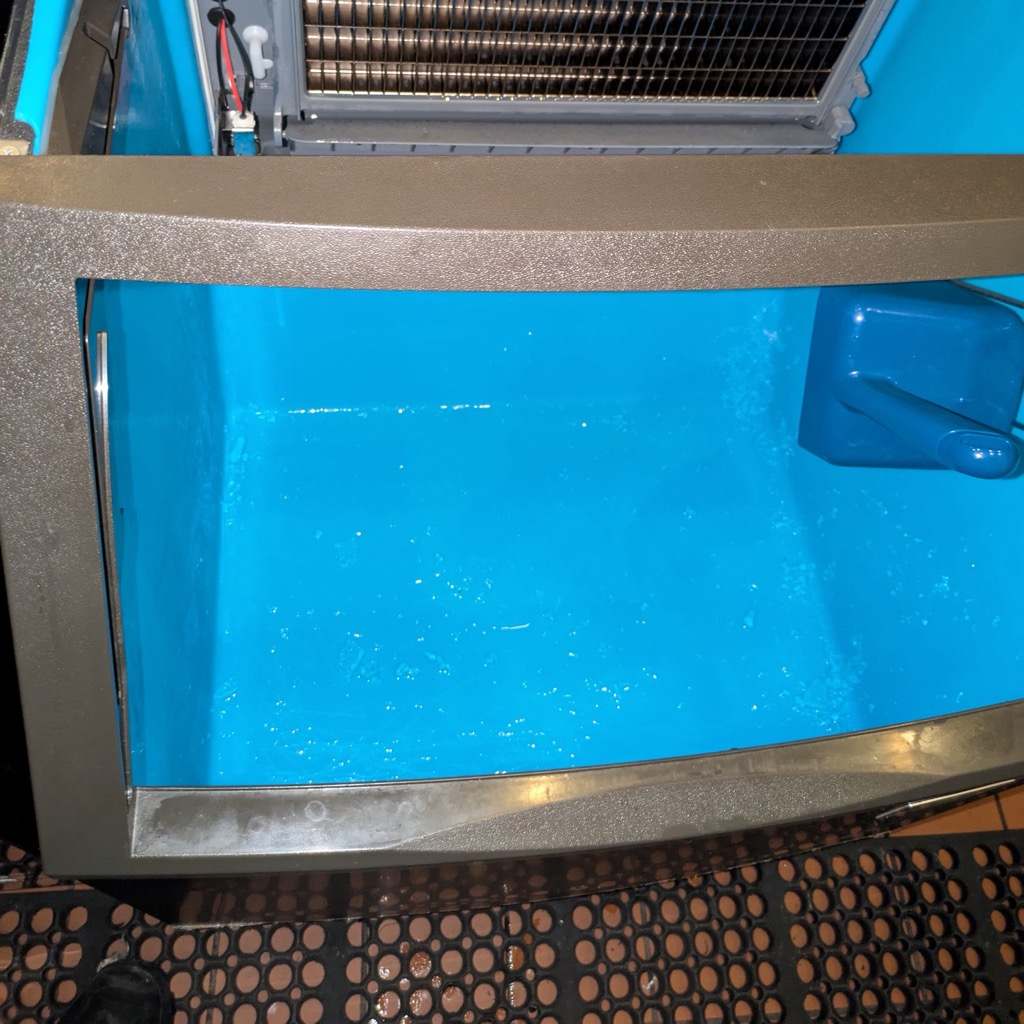
Ice machines are among the most-cited health code violations in Southern California inspections. A contaminated machine is the kind of problem everyone can taste. Boh dispatches a licensed technician for full sanitization, descaling, and inspection. Keeps your machine running clean and your customers safe.
Everything the BohPro does on site.
Documentation filed to your account.






Common questions
Is an ice machine considered a food-contact surface under health code?
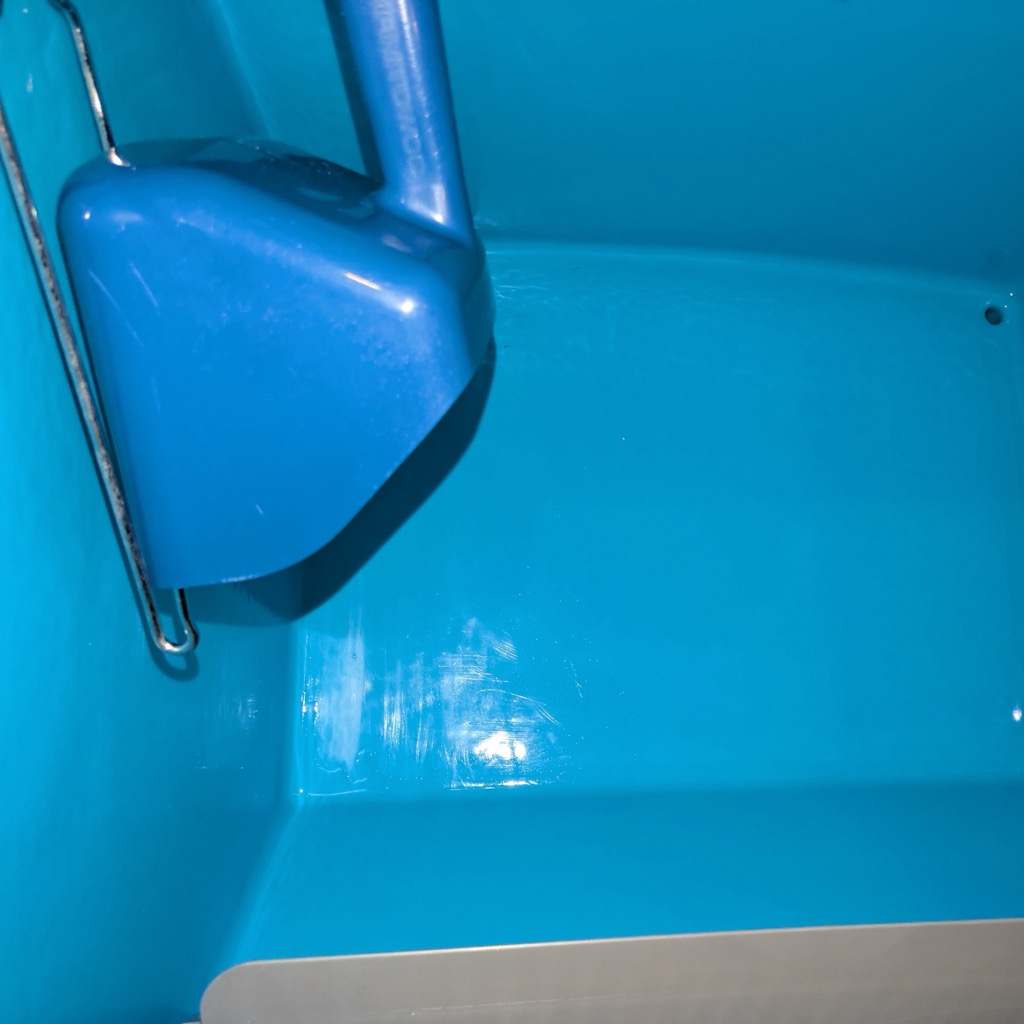
Ice's classification as a food under the FDA Food Code is one of the least understood aspects of commercial kitchen compliance. Because ice is ingested, the machine that produces it, including the ice maker assembly, the internal water distribution system, the ice bin, and the drain lines, is treated as a food-contact surface under the same standards that govern cutting boards, prep tables, and utensils. Health inspectors apply this standard without exception: visible mold or slime inside an ice machine is treated the same as mold on a prep surface. The ice scoop must be stored outside the bin with the handle not touching ice. Cleaning logs must be current. Any contamination that would be unacceptable on a food prep surface is equally unacceptable inside an ice machine, and the consequences for a violation are the same.
How often must commercial ice machines be cleaned?
The FDA Food Code and NSF International guidelines establish every 6 months as the minimum cleaning and sanitizing frequency for commercial ice machines, but this is a floor, not a target. High-volume restaurants, bars, and operations where the machine runs continuously or is located near kitchen exhaust, flour dust, or other airborne contaminants should be on a quarterly professional service schedule. LA County health inspectors are known to check ice machines for visible biofilm, mineral scale, and mold, particularly in the bin interior and on water distribution components. Professional service must use NSF-certified ice machine cleaner followed by NSF-certified food-safe sanitizer: the two chemicals must be kept completely separate during application, as mixing them produces toxic fumes. Running ice machine components through a commercial dishwasher does not meet the sanitation standard and leaves operators exposed to violation.
What health code violations are associated with ice machines?
Ice machine violations in LA County fall into two categories: sanitation conditions and documentation failures. On the sanitation side, inspectors look for visible mold or pink or black slime on any internal surface: bin walls, ice chute, water distribution tray, or harvest area. Cloudy or soft ice is a visible indicator of mineral buildup or biological contamination. The ice scoop is frequently cited when stored inside the bin with the handle touching the ice: it must be stored outside the bin in a clean, designated location. On the documentation side, inspectors expect to see a cleaning log showing the date, products used, and who performed the service. A machine with no cleaning log is treated as an unverified food safety risk regardless of its visible condition. An operator who can show a current cleaning log and a recent professional service record is in a substantially stronger position during an inspection than one who relies on the inspector's visual assessment alone.
What does professional ice machine maintenance include?
Professional ice machine maintenance goes significantly beyond what staff cleaning can accomplish. A qualified technician descales internal water distribution components, the distributor, water trough, and evaporator plates, where mineral buildup reduces ice production and harbors bacteria. The water filter is replaced, restoring flow rate and filtration quality. Condenser coils are cleaned using a soft brush to remove dust and grease buildup that forces the machine to work harder. The refrigerant charge is verified and adjusted if needed. Electrical connections and safety controls are inspected. The full ice bin is cleaned and sanitized with NSF-certified products following manufacturer specifications. The entire cleaning cycle is run and verified before the machine is returned to service. Service documentation, including products used, technician name, and date, is produced for the health inspection file. This level of service cannot be replicated with staff cleaning protocols alone.