
Got a blocked drain?
High-pressure jetting clears it today.
One blocked line can back up your entire dish station. Boh dispatches a licensed technician confirmed within hours to jet the line clear, restore drainage, and document the job before they leave.
These scenarios apply when your grease trap line is overflowing or backing up.
Additional lines are scoped and quoted separately.
Everything the BohPro does on site.
Documentation filed to your account.






Common questions
My drain is backing up right now: what clears it fastest?
For an active blockage in a commercial kitchen grease line, high-pressure hydro jetting is the fastest reliable clear. A licensed technician is dispatched same-day, confirmed within hours, to jet the affected line, restore drainage, and verify flow before leaving. Hydro jetting uses high-pressure water, typically 3,000 to 4,000 PSI through a rotating nozzle, to scrub the full interior of the pipe rather than just punching a hole through the obstruction, which is why it clears a grease clog more completely than snaking.
Why won't snaking fix my clogged kitchen drain?
Snaking and hydro jetting solve different problems. A drain snake punches a hole through the blockage at the center of the pipe and restores flow temporarily, but it leaves the hardened grease coating the pipe walls untouched. In a high-grease commercial kitchen, that coating keeps building and the clog typically rebuilds within two to six weeks. Hydro jetting's rotating nozzle scrubs the full circumference of the pipe wall, removing the buildup and restoring the line to near-original diameter. Snaking is a reasonable emergency stopgap for immediate flow; jetting is what actually resolves a grease-driven clog.
My grease trap is overflowing: do I jet the line or pump the trap?
It depends on the trap. If the trap itself is full, jetting the outlet line alone will not clear the overflow: the trap has to be pumped first to empty it, then the outlet line jetted to clear hardened grease. If the trap was pumped within the last 30 days but drainage is still slow or backing up, the trap is fine and the blockage is in the outlet line, which is exactly what jetting clears. Booking the wrong service first is the most common reason an overflow does not resolve on the first visit, so match the service to your trap's condition. Boh, which manages back-of-house repairs, maintenance, and compliance for Southern California restaurants, can talk through which one you need if you are unsure.
Can hydro jetting damage my pipes?
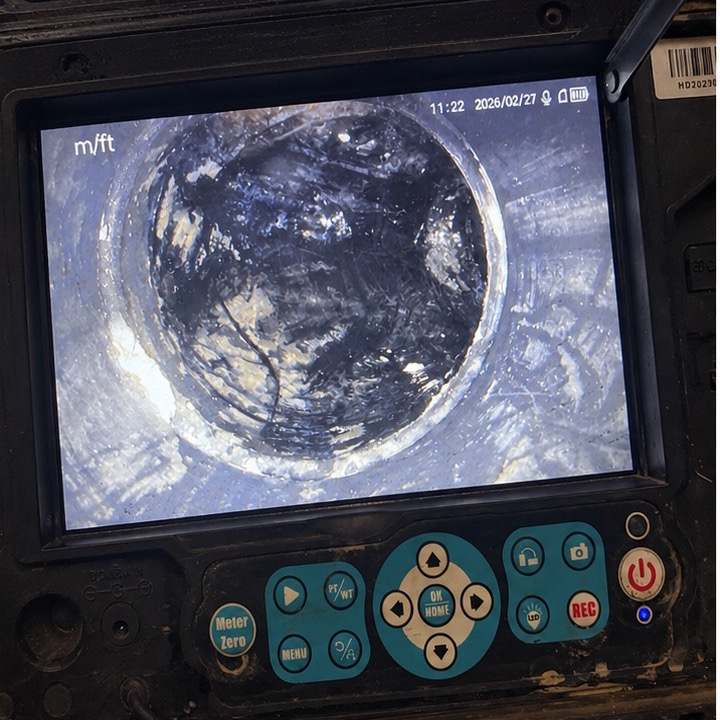
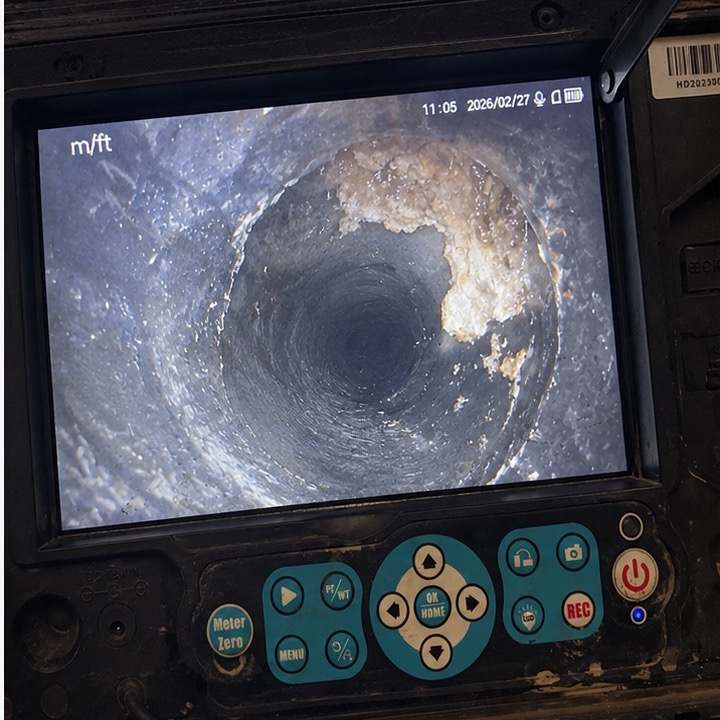
Hydro jetting at 3,000 to 4,000 PSI can damage pipes that are already compromised by corrosion, cracks, or separated joints, which is most common in older cast-iron lines and improperly installed PVC runs. The standard professional protocol is a video camera inspection of the line before jetting, so any section where pipe integrity is in question is identified and excluded. A provider who jets without inspecting first is skipping the step that protects your plumbing. In a true emergency, the technician assesses line condition on site and flags any risk before proceeding.