
Refrigeration due for service?
Coils, gaskets, and refrigerant checked before it fails.
A single refrigeration failure during service can mean thousands in spoiled inventory on top of repair bills. Boh dispatches a licensed technician to clean coils, inspect gaskets, check refrigerant levels, and keep temperatures stable.
Everything the BohPro does on site.
Documentation filed to your account.






Common questions
What temperature must commercial refrigeration hold in California?
California's retail food code, known as CalCode, mirrors the FDA Food Code in requiring that all TCS foods, dairy, cut produce, cooked proteins, prepared items, and anything that supports bacterial growth, be held at 41°F or below at all times. The 41°F threshold is not a guideline; it is the point below which the most dangerous foodborne pathogens cannot multiply at rates that create health risk. LA County health inspectors verify compliance by measuring the temperature of the food itself, typically at the warmest point in the unit, not the air temperature shown on a wall-mounted thermometer. A unit whose thermostat reads 38°F but whose food measures 44°F is out of compliance. Refrigeration-related violations are among the highest point deductions on LA County's 100-point inspection scale, and a temperature excursion without a documented corrective action on file compounds the citation.
What refrigeration violations does LA County cite most frequently?
Refrigeration violations in LA County inspections cluster around two categories: temperature control failures and documentation gaps. On the equipment side, inspectors commonly cite units holding food above 41°F, missing thermometers or thermometers that have not been calibrated, door gaskets that do not seal fully and allow temperature fluctuation, ice buildup on evaporator coils indicating dirty or failing coils, and water pooling inside units from blocked drain pans. On the compliance documentation side, inspectors cite missing temperature logs, logs with incomplete entries, and logs that show a temperature excursion without a documented corrective action. A unit that was briefly above 41°F but whose log shows the issue was caught and corrected (food moved, service called) is treated very differently from a unit with no log at all. Both the physical condition and the documentation trail matter independently.
How often should commercial refrigeration receive professional service?
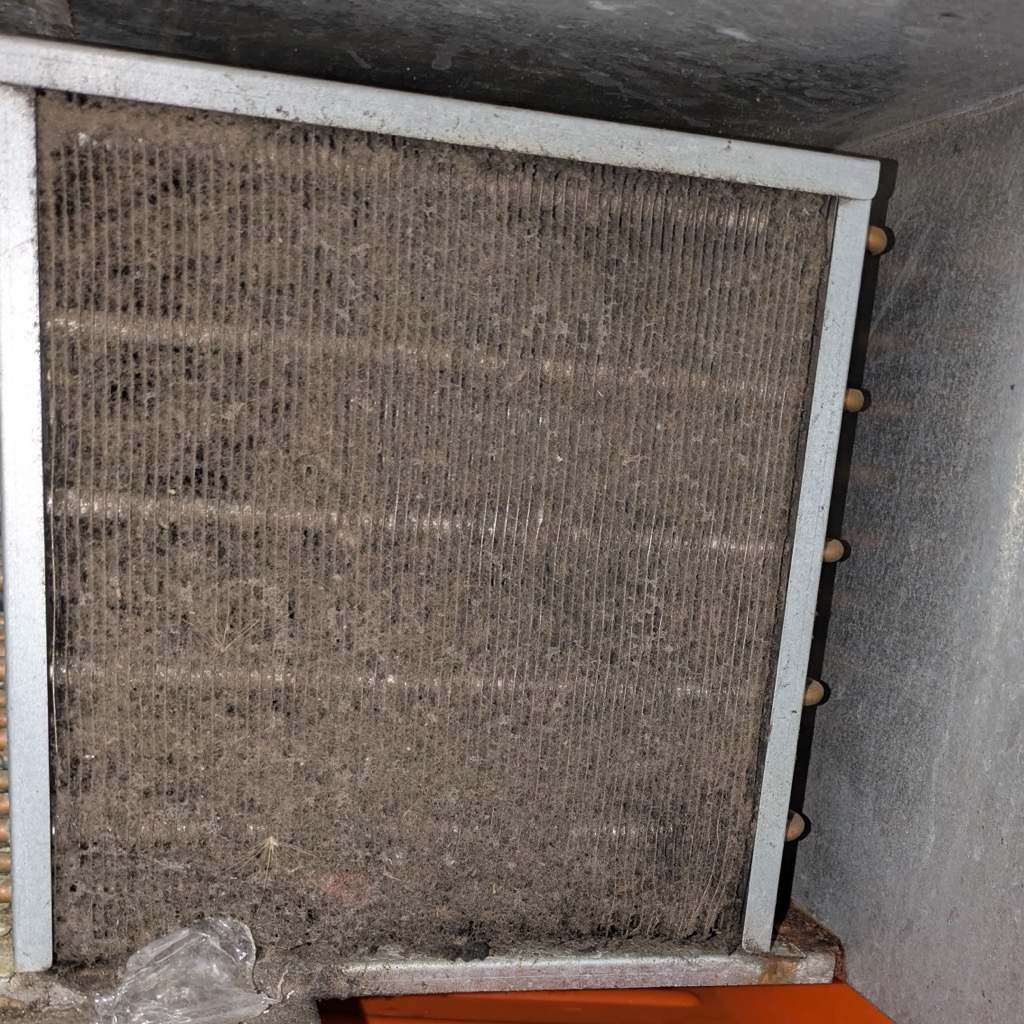
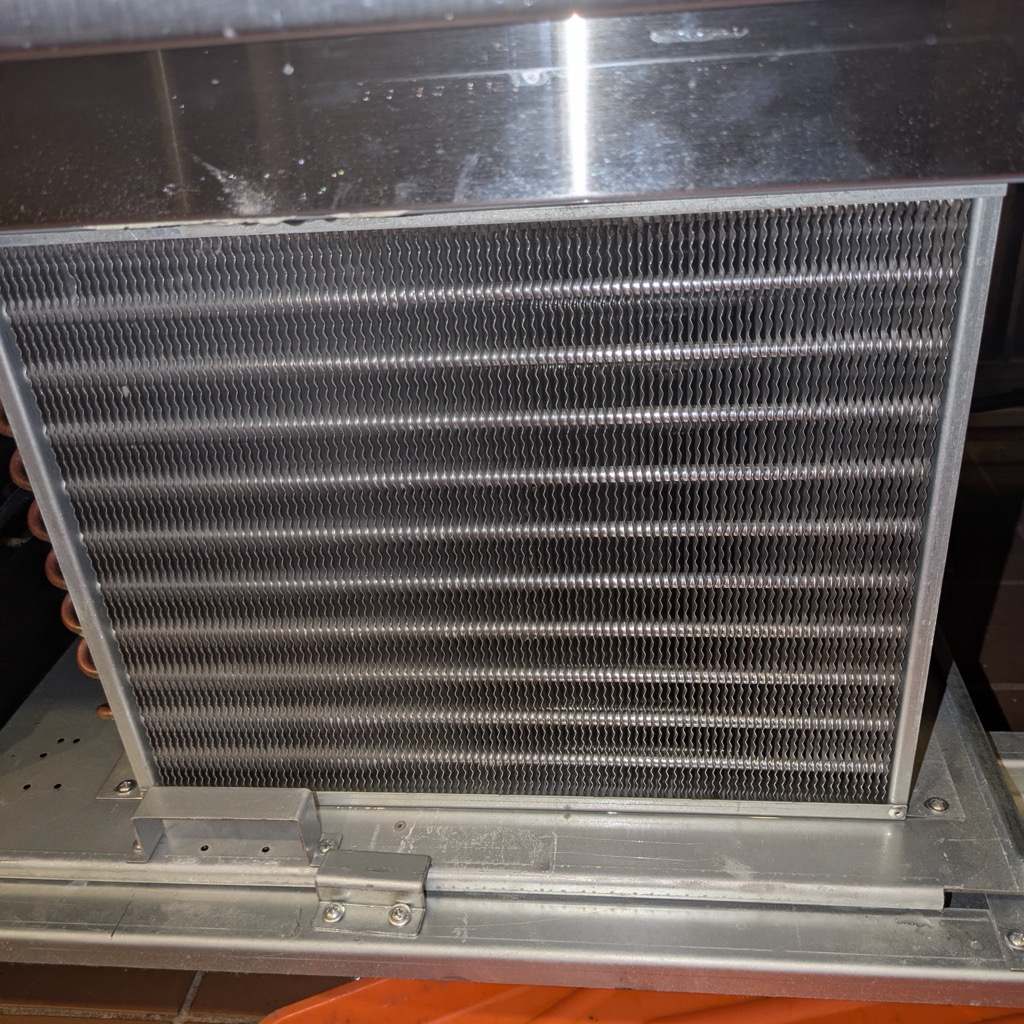
Commercial refrigeration maintenance operates at two levels: staff-performed monitoring tasks and professionally performed mechanical service. On the staff side, temperature should be logged multiple times daily, door gaskets inspected weekly for cracks or incomplete closure, and interior surfaces cleaned regularly. On the professional side, condenser and evaporator coil cleaning is the highest-priority maintenance task: dirty coils force the compressor to work harder, reduce cooling capacity, and are the most common cause of refrigeration temperature failures. Coil cleaning frequency should be every 3 months for high-volume units with heavy door traffic, and every 6 months for lower-traffic units. Electrical connections, control boards, and refrigerant levels should be inspected at least annually. For units that hold TCS foods and are central to health inspection compliance, a full professional PM visit every 6 months is the minimum, aligned, where possible, with the grading inspection cycle.
What are the signs that refrigeration maintenance is overdue?
Refrigeration units typically signal maintenance needs before they fail completely, and catching those signals early prevents both equipment breakdowns and health code violations. A unit that runs constantly without cycling off is working harder than it should, usually because condenser coils are dirty and reducing heat exchange efficiency. Ice buildup on evaporator coils indicates a defrost system problem or airflow restriction. Condensation on the exterior cabinet or sweat on the door suggests a gasket failure allowing warm, humid air in. Door seals that feel warm to the touch or leave visible gaps are no longer maintaining the thermal envelope. Staff who notice food in a walk-in cooler is not as cold as usual, or that a reach-in is taking longer to recover after a high-traffic period, are seeing early temperature drift. Acting on any of these signs with a professional service call is significantly less costly (in repair cost, lost product, and inspection risk) than waiting for an outright failure.
What happens if refrigeration fails during service?
A refrigeration failure during service is a food safety event, not just an equipment problem. The FDA's maximum allowable time in the temperature danger zone (41°F to 135°F) for TCS foods is 4 hours cumulative: after that, the food must be discarded regardless of whether it looks or smells normal. When a unit fails, the immediate steps are: move all TCS foods to a functioning unit, record the time of discovery and the temperatures of all moved items, and call for emergency service. Do not serve food from a failed unit whose temperature history is unknown. If a unit was found at 50°F at opening with no record of when it crossed the threshold, assume the 4-hour window may have been exceeded and discard. The cost of discarded product is recoverable; the cost of a foodborne illness outbreak, including regulatory action, civil liability, and reputational damage, is not.
Who can fix a walk-in cooler that's not holding temperature?
A walk-in that won't hold temperature usually means a refrigeration fault: low refrigerant or a leak, a failing compressor or condenser fan, an iced-over evaporator coil, or worn door gaskets. A commercial refrigeration contractor diagnoses and repairs these. For restaurants, Boh dispatches and coordinates the repair and the follow-up so the box is back in spec before product is lost.