
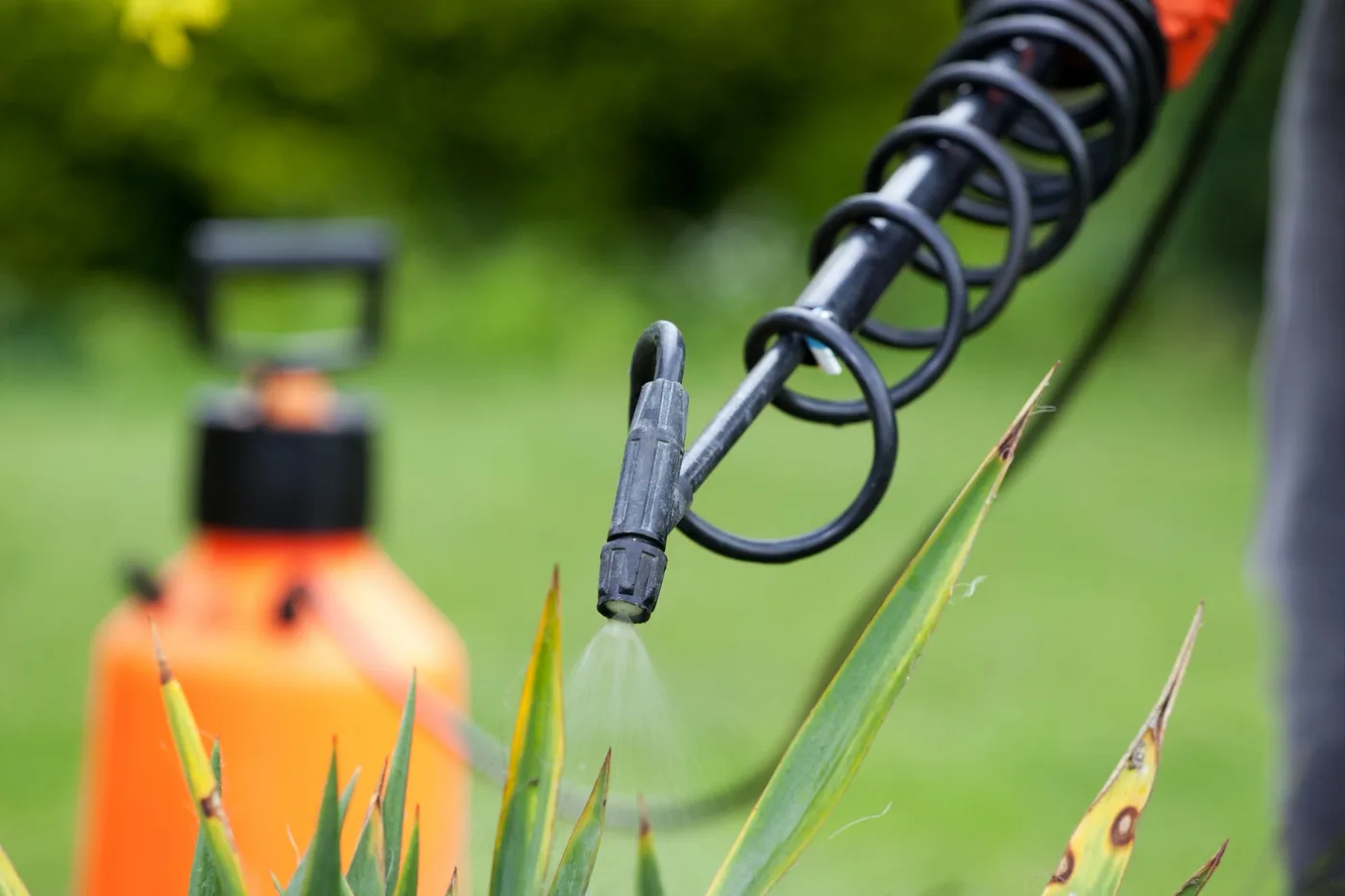
For restaurants, pest control should not begin when someone sees a cockroach near the line, finds droppings near dry storage, or notices flies around a floor drain. By that point, the issue is already operational and compliance-related. The stronger approach is prevention: identifying the conditions that attract pests before they become visible during service.
That is where Boh's back-of-house model fits. Boh helps restaurant operators manage the systems that keep kitchens safe and compliant, from refrigeration and hood cleaning to grease traps, drains, and commercial pest control. For pest-related work, Boh partners with vetted pest control experts, including Bugwars Pest Control, to help restaurants stay ahead of problems instead of reacting after they escalate.
Why Pest Control Is Different in Restaurant Kitchens
A restaurant is not the same environment as an office, retail store, or residential property. Commercial kitchens have food storage, moisture, heat, grease, drains, cardboard, deliveries, trash areas, and constant foot traffic.
A gap under a back door can invite rodents. A slow floor drain can attract flies. Cardboard near dry goods can create harborage. Grease buildup around equipment can support cockroach activity. Even a clean restaurant can develop pest issues if building conditions are not monitored regularly.
That is why commercial kitchen pest control should be part of the restaurant's larger maintenance strategy. It is not just "spray and leave." It is a recurring prevention system tied to sanitation, documentation, and operational discipline.
Why IPM Matters in Food Service
Integrated Pest Management, or IPM, is especially important in restaurant environments. Instead of relying only on reactive treatments, an IPM-based approach looks at why pest activity is happening in the first place.
That can include entry points, moisture sources, waste handling, storage practices, drain conditions, and recurring activity patterns. The goal is not only to eliminate a visible pest. The goal is to reduce the conditions that allow pests to return.
For restaurant operators, this matters because pest control is not isolated from the rest of the back of house. A pest issue can be connected to a door sweep, a plumbing problem, a drain that needs cleaning, trash handling, or storage practices. Boh helps operators look at these issues as part of the full kitchen environment.
What Boh Looks For in a Pest Control Program
When Boh coordinates pest control for a restaurant, the focus is on keeping the operator protected and informed. A strong commercial pest control program should include inspections, targeted treatment, rodent prevention, cockroach prevention, fly monitoring, and clear notes after each visit.
Documentation matters. During a health inspection, operators may need to show that pest control is active, recurring, and properly managed. Service logs, findings, treatment notes, and recommendations help create that record.
These notes also help teams understand what needs to be corrected between visits, such as door gaps, drain issues, trash practices, storage concerns, or signs of recurring activity.
How Boh Coordinates Prevention Across the Back of House
This is where Boh adds value beyond simply sending a vendor. Boh remains the restaurant's back-of-house partner, coordinating the right BohPro, tracking the work, and connecting pest findings to other maintenance needs.
If pest pressure is tied to a drain issue, grease buildup, trash area, or building condition, Boh can help route the next step instead of leaving the operator to manage each vendor separately.
The best time to schedule pest control is before the kitchen has an emergency. For most active restaurant environments, recurring service is the practical baseline. Higher-risk locations or recent activity may require a stronger cadence.
With Boh and vetted partners like Bugwars Pest Control, operators get more than a one-time response. They get a coordinated commercial pest control program built around prevention, documentation, and the realities of back-of-house operations.
Need restaurant pest control in Los Angeles or Southern California? Boh can coordinate the right pest control partner for your kitchen, schedule service, and keep your operation moving with less vendor-management friction.
Frequently asked questions
What is IPM and why does it matter for restaurant pest control?
Integrated Pest Management (IPM) is a structured approach that prioritizes long-term prevention over repeated reactive treatments. Instead of only treating visible pests, an IPM program identifies the conditions driving pest activity — entry points, moisture sources, storage practices, drain conditions — and addresses those root causes. For restaurants, this means fewer surprises, cleaner inspection records, and lower long-term costs.
How often should a restaurant schedule commercial pest control?
Monthly service is the standard for most active restaurant kitchens. Higher-risk locations, facilities with recent pest activity, or operations that have flagged a health inspection violation may need more frequent visits. Boh helps operators determine the right cadence based on their specific kitchen environment and pest pressure.
What pests are most common in commercial restaurant kitchens?
Cockroaches, rodents, and flies are the most frequently cited pests in commercial kitchen environments. Cockroaches thrive in warm, humid conditions and grease buildup. Rodents enter through gaps in building envelopes and are attracted to food storage areas. Flies are drawn to floor drains, compost, and exposed food. A prevention-first program addresses all three.
Does Boh coordinate restaurant pest control in Los Angeles?
Yes. Boh coordinates commercial pest control and other back-of-house maintenance services for restaurant operators across Los Angeles and Southern California through vetted BohPro partners, including Bugwars Pest Control.
What documentation should I expect after a pest control visit?
Every BohPro pest control visit should include a service log documenting findings, treatments applied, and conditions noted. During a health inspection, operators may need to demonstrate that pest control is active and recurring. Boh helps operators keep this documentation organized and accessible.
How is restaurant pest prevention different from reactive pest control?
Reactive pest control responds to a visible problem. Prevention-focused programs identify and address the conditions that attract pests before activity becomes visible during service. That includes monitoring entry points, drainage, sanitation practices, and storage areas on a recurring basis — not just treating after a sighting.
Ready when you are
Running into issues with your kitchen
Our team coordinates vetted technicians across Southern California, same day for emergencies.