
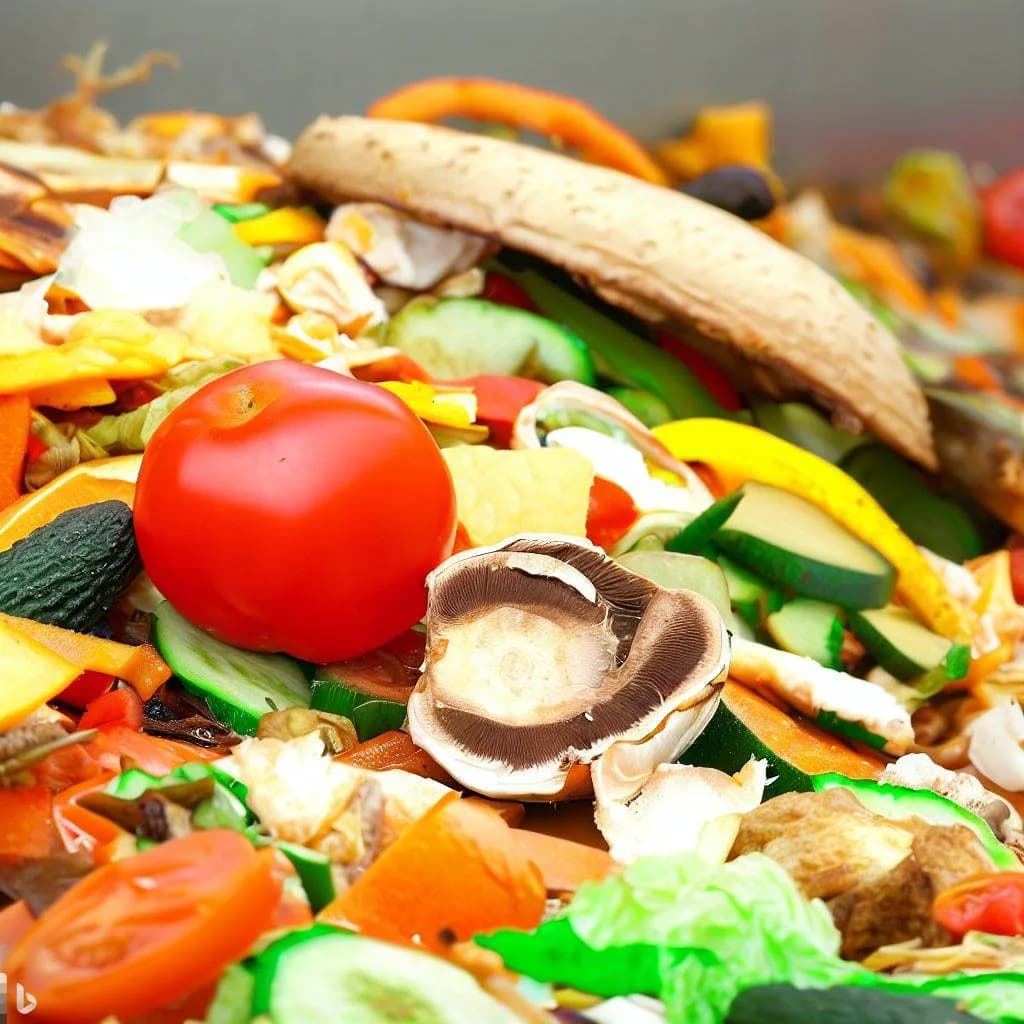
Efficient organic waste collection plays a crucial role in both environmental sustainability and cost management for restaurants. The improper disposal of food/organic waste can have a significant environmental impact, contributing to greenhouse gas emissions and landfill waste. Additionally, inefficient waste management can result in increased costs associated with waste removal and potential fines for non-compliance with waste regulations.
Understanding Organic Waste in Restaurants
Definition of Organic Waste
In a restaurant setting, food/organic waste refers to any discarded edible or organic material, including leftover food, food preparation scraps, and spoiled or expired food items. It encompasses both kitchen waste and customer plate waste generated during food service.
The Challenges of Organic Waste Collection
Several factors contribute to the challenges of food/organic waste collection in restaurants. Limited storage space, improper waste sorting, and the potential for odors and contamination can make waste collection a complex task. Inadequate waste collection practices can result in increased costs, health and hygiene concerns, and negative environmental impacts.
Strategies for Efficient Organic Waste Collection
Waste Segregation and Sorting
Proper segregation and sorting of food/organic waste from other types of waste are essential. Implementing clear waste sorting practices, such as separate bins for food waste, enables efficient collection and facilitates recycling or composting processes.
Proper Waste Storage and Handling
To minimize odors, pests, and contamination risks, it is crucial to store food/organic waste properly. Using sealed containers, keeping waste storage areas clean, and ensuring timely waste disposal are key aspects of effective waste handling.
Utilizing Dedicated Waste Collection Equipment and Tools
Specialized bins, containers, and tools designed for food/organic waste collection can enhance efficiency. These dedicated equipment and tools make waste collection easier, hygienic, and more manageable, promoting proper waste management practices.
Collaborating with Waste Management Service Providers
Partnering with professional waste management companies, like Boh, can greatly simplify waste collection processes. Their expertise in waste management and comprehensive services can alleviate the burden of waste handling for restaurant owners, ensuring compliance and efficient waste disposal.
Boh's Role in Efficient Organic Waste Collection
Integrated Waste Collection Services
Boh offers integrated waste collection services for restaurants, covering the entire waste management process. Their services include waste collection for different types of waste, scheduling of collection visits, and ensuring proper disposal or recycling of waste materials.
Simplifying Waste Management with Technology
Boh leverages technology, such as their user-friendly app and scheduling system, to simplify waste management tasks. Through the app, restaurant owners can easily book waste collection services, access records and documentation, and receive automated reminders for collection visits.
Ensuring Compliance and Sustainability
Boh is committed to ensuring compliance with waste management regulations, helping restaurant owners avoid potential fines and legal issues. By efficiently collecting and managing food/organic waste, Boh contributes to environmental sustainability by promoting recycling, composting, and responsible waste disposal practices.
Conclusion
In conclusion, efficient organic waste collection is vital for restaurants to achieve environmental sustainability and cost-effectiveness. Boh, as a trusted maintenance partner, offers comprehensive solutions to streamline waste management and simplify the collection process. By implementing effective waste collection strategies and leveraging Boh's expertise.
Frequently asked questions
How can restaurants reduce organic waste disposal costs?
Restaurants can reduce disposal costs through proper waste segregation, using sealed containers to minimize odors and pest problems, and partnering with professional waste management services like Boh that offer efficient collection schedules. Efficient waste management practices also help avoid compliance fines and reduce overall operational expenses.
What is the best way to store food waste in a restaurant?
Use sealed containers to prevent odors and contamination, keep storage areas clean and organized, and ensure timely disposal. Proper storage minimizes pest attraction, health hazards, and unpleasant odors in your restaurant.
Why is organic waste segregation important for restaurants?
Proper waste segregation enables efficient collection, facilitates recycling or composting processes, and helps restaurants comply with waste regulations. It also reduces operational costs and minimizes environmental impact by ensuring waste is handled appropriately.
What environmental impact does improper food waste disposal have?
Improper disposal of food waste contributes to greenhouse gas emissions and increases landfill waste, harming the environment. Implementing efficient organic waste collection practices through proper segregation and professional waste management services helps restaurants reduce their environmental footprint.
Ready when you are
Running into issues with your kitchen
Our team coordinates vetted technicians across Southern California, same day for emergencies.