
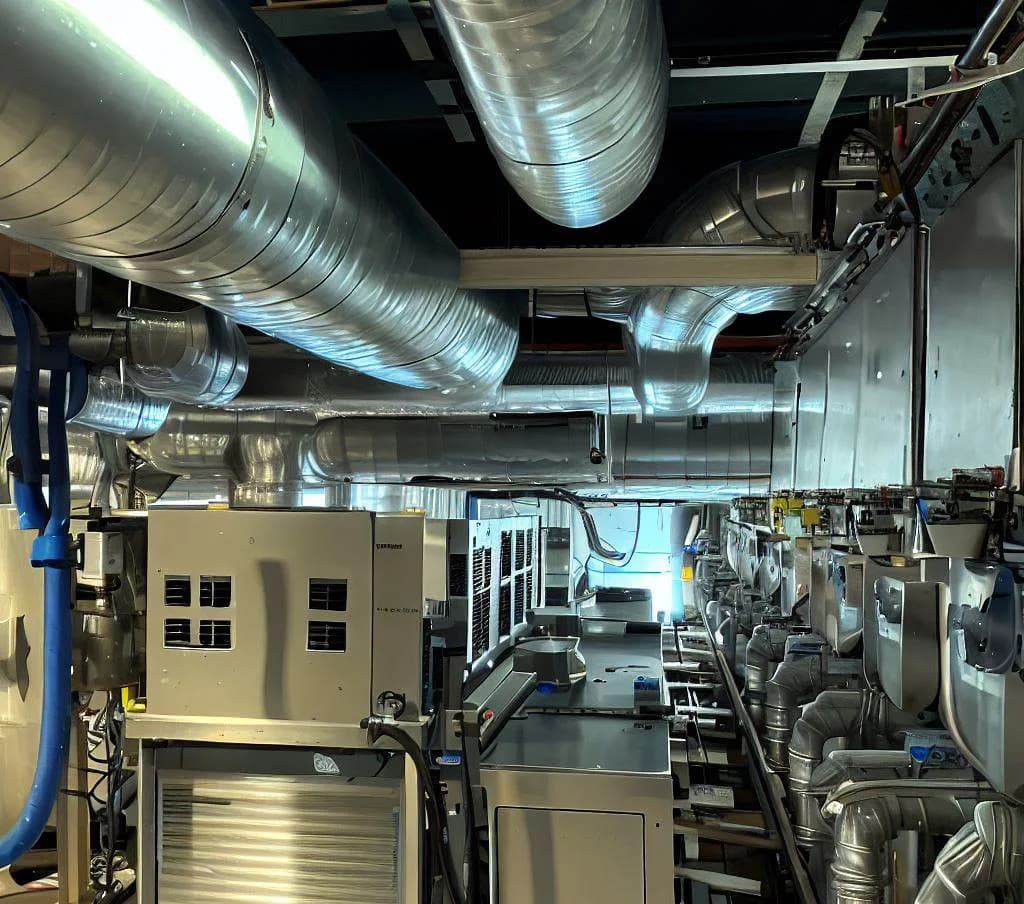
HVAC is one of the largest energy costs in a restaurant — typically 30 to 40% of total energy spend. It's also one of the most controllable. The difference between a well-maintained HVAC system and a neglected one isn't just comfort or compliance — it's measurable in energy bills, repair frequency, and equipment lifespan.
This guide covers the specific maintenance practices that produce HVAC cost savings, and how to identify where your current program is leaving money on the table.
Where HVAC costs come from in restaurants
Understanding where costs accumulate is the starting point for reducing them. Restaurant HVAC expenses fall into three categories:
Energy consumption — an HVAC system that's working harder than it needs to because of dirty coils, loaded filters, or air balance issues consumes more energy per unit of cooling or heating delivered. A properly maintained HVAC system can reduce energy bills by almost 30% compared to a poorly maintained one — the majority of that savings comes from coil cleaning, filter maintenance, and refrigerant level management.
Reactive repair costs — HVAC failures during service are expensive in two ways: the emergency repair rate is significantly higher than scheduled service, and the revenue impact of a dining room that's too hot or a kitchen that's overheating during service can exceed the repair cost. Regular maintenance can reduce the risk of expensive breakdowns by as much as 95% — the equipment failures that generate emergency calls almost always show warning signs during routine maintenance that a technician would catch.
Premature equipment replacement — a commercial HVAC system that's properly maintained lasts 15 to 20 years. One that's been running with dirty coils, low refrigerant, and bearing wear for years fails significantly earlier. The cost difference between a well-maintained system that runs 18 years and a neglected one that fails at 10 is substantial — and it's entirely determined by maintenance investment during the operating life.
The highest-ROI maintenance tasks
Not all maintenance tasks produce equal cost savings. These are the ones with the most direct impact on energy consumption and repair frequency:
Coil cleaning is the single highest-impact maintenance task for energy efficiency. Condenser and evaporator coils coated with grease and dust transfer heat less efficiently — the system runs longer to achieve the same cooling effect. In a commercial kitchen environment, coils accumulate grease significantly faster than in standard commercial applications. Semi-annual professional coil cleaning is the standard; quarterly may be warranted for high-volume kitchens near cooking equipment.
Filter maintenance produces immediate, measurable results. A loaded filter restricts airflow, forces the blower motor to work harder, and reduces the volume of conditioned air reaching the space. In restaurant environments, filter loading happens faster than the manufacturer's replacement schedule assumes — monthly inspection with replacement when loaded (rather than on a fixed calendar) keeps the system running at design efficiency. High-volume kitchens with charbroilers or heavy fryer use may need filter checks every 2 to 3 weeks.
Refrigerant level management prevents the efficiency loss and compressor damage that comes from low refrigerant. A system running 10% low on refrigerant uses significantly more energy to deliver the same cooling — and the compressor damage that accumulates from running low shortens its lifespan. Refrigerant checks during semi-annual service catch low levels before they become expensive.
Air balance verification is the most frequently skipped maintenance task and one of the most consequential for both energy and comfort. A kitchen that's operating under negative pressure — because hood exhaust exceeds makeup air supply — makes the system work harder to maintain temperature setpoints and creates conditions where cooking odors reach the dining room. Rebalancing during semi-annual service corrects this.
Operational practices that reduce HVAC load
Maintenance isn't the only lever for HVAC cost reduction. Several operational practices meaningfully reduce the load on the system without requiring service:
- Hood system maintenance — a hood exhaust system that's operating correctly removes heat, grease, and humidity from the kitchen before the HVAC system has to deal with them. A hood that's not pulling effectively due to loaded filters or ductwork buildup transfers that load to the HVAC system. Keeping the hood system maintained directly reduces HVAC energy consumption
- Door and dock management — back doors propped open during deliveries, walk-in cooler doors left ajar, and gaps in building envelope all create infiltration load that the HVAC system has to overcome. In LA County summers, every minute a back door is propped open imports hot exterior air that the system then has to cool
- Setback scheduling — programming HVAC setpoints to reduce output during non-service hours (overnight, between lunch and dinner) reduces energy consumption without affecting operations. Many restaurant HVAC systems run at full capacity overnight with no one in the building because setback schedules were never programmed
- Kitchen equipment staging — bringing cooking equipment online gradually rather than all at once at the start of service reduces the peak heat load that the HVAC system has to manage. A fryer that's been on for two hours before service creates a steadier thermal load than one turned on 15 minutes before opening alongside everything else on the line
When to upgrade vs maintain
Continued investment in maintenance produces diminishing returns on aging equipment. The calculation that determines whether to maintain or replace:
- If the annual maintenance and repair cost exceeds 50% of the replacement cost of the unit, replacement is typically more cost-effective than continued maintenance
- If the system is more than 15 years old and requiring significant repairs, the energy efficiency gap between the existing system and current equipment is large enough that replacement often pays back within 3 to 5 years through energy savings alone
- If the system was sized for a different menu or volume than what the restaurant currently operates — a system sized for a moderate-volume kitchen that now runs a charbroiler line is undersized and will never perform efficiently regardless of maintenance investment
A licensed HVAC technician can provide a load calculation that determines whether the current system is appropriately sized for current operations — this is worth requesting if the system is struggling to maintain setpoints during peak service despite being in good mechanical condition.
Tracking HVAC costs to identify problems early
The most practical early warning system for HVAC efficiency loss is your energy bill. A system that's developing a refrigerant leak, accumulating coil fouling, or experiencing duct leaks will show increased energy consumption before it shows any other symptom. Tracking monthly energy costs per square foot or per cover served — and flagging months that deviate significantly from the baseline — catches efficiency loss months before it becomes an equipment failure.
If your HVAC is making loud or unusual noise, or your dining room has hot spots or uneven temperature, those are indicators of developing problems that are cheaper to address in a scheduled service visit than after they cause a failure.
For the full maintenance schedule — monthly staff tasks, semi-annual professional service requirements, and the air balance concept that's central to restaurant HVAC performance — the HVAC maintenance schedule guide covers the complete program.
Frequently asked questions
How much can I save on energy bills by maintaining my restaurant HVAC system?
Regular HVAC maintenance improves energy efficiency and can significantly reduce utility costs by preventing your system from working harder than necessary. The exact savings depend on your current system's condition and usage patterns, but proper maintenance is one of the most cost-effective ways to lower operational expenses.
What are the main components of a commercial kitchen HVAC system?
Commercial kitchen HVAC systems include air conditioning units, ventilation hoods, exhaust fans, ductwork, and thermostats. Each component works together to regulate temperature and humidity, remove odors and contaminants, and ensure proper air circulation throughout your kitchen space.
How often should I schedule HVAC maintenance for my restaurant?
While the article doesn't specify exact intervals, regular maintenance is essential to improve energy efficiency, extend equipment lifespan, and minimize sudden breakdowns. Using a maintenance management system like Boh can automatically schedule necessary cleaning and service visits based on your equipment's needs.
Can poor HVAC maintenance lead to emergency repairs?
Yes, neglecting HVAC maintenance increases the risk of sudden breakdowns and costly emergency repairs that can disrupt operations. Regular preventive maintenance helps you avoid these unexpected expenses and keeps your system running efficiently.
Ready when you are
Running into issues with your kitchen
Our team coordinates vetted technicians across Southern California, same day for emergencies.